
Alexander “Eck” Campbell Robertson was born in Delaney, Arkansas on November 20, 1887. At the age of three Robertson’s family moved to a small farm just outside of the newly incorporated settlement of Amarillo in the Texas Panhandle.
His father, a farmer-turned-preacher and Confederate veteran of the Civil War, was a talented fiddle player and competed in local and regional fiddle contests alongside Robertson’s uncles and grandfather. This talent may as well have been genetic: all eight of the Robertson kids learned how to play and sing
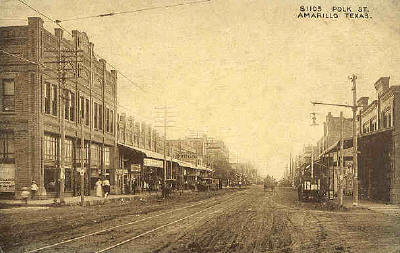
Robertson began learning fiddle at five years old on a self-made instrument created from a long-necked gourd and a tanned cat hide (his own cat, or so the legend goes). Whatever the quality of the instrument itself, he appears to have made a quick study of it. He claimed in a 1972 interview with Earl Spielman that he learned how to play his father’s repertoire before he ever held an instrument in his hands, “It was just natural with me to play (the tunes), I didn’t have to learn them. I already knew them.”

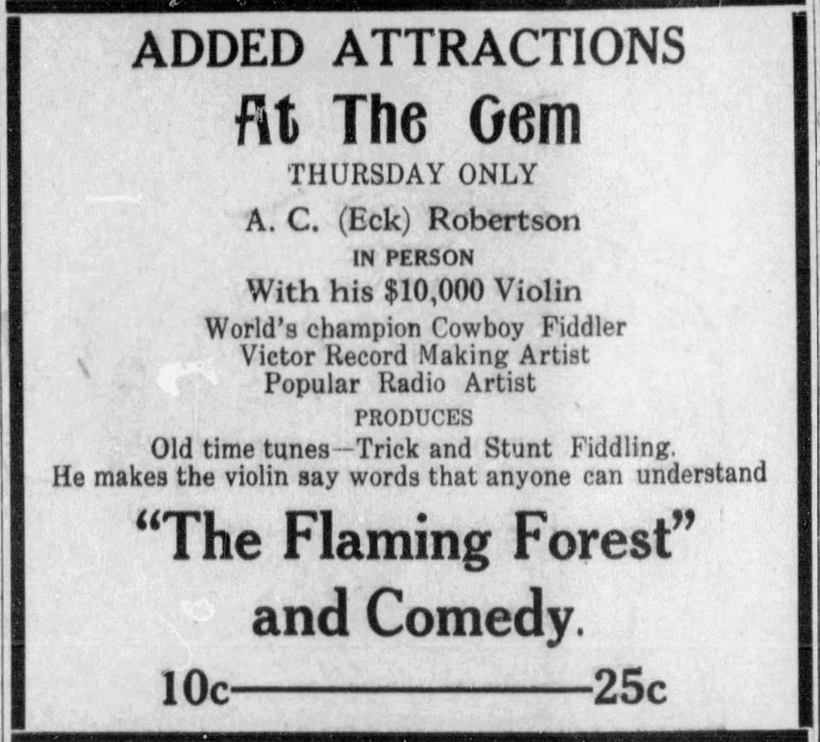
His talent progressed at a prodigious pace along with his aspirations and at sixteen he left home to join up with a traveling Medicine Show. It was on the Medicine Show circuit that Robertson would develop and hone his many fiddle playing “tricks”: playing behind his back, imitating various animal noises, throwing his fiddle or bow in the air and catching it, and even making the instrument “talk”. He would later utilize these tricks while competing at various fiddle contests.

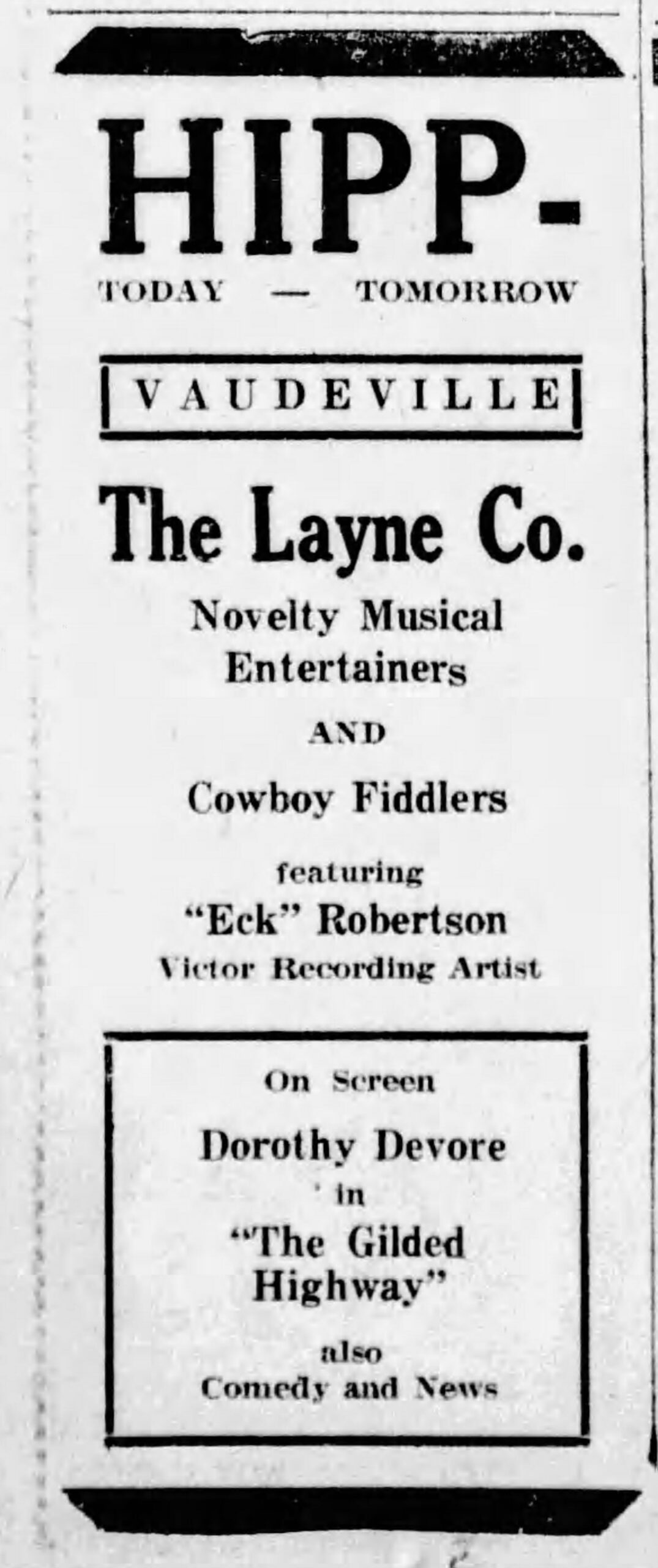
In 1906 Robertson married his childhood sweetheart (and talented musician in her own right), Jenetta “Nettie” Bell Levy. In their first years of marriage, the couple performed fiddle and piano music at silent movie theaters to supplement Robertson’s income as a piano tuner. It was most likely around this time that Robertson started performing in a cowboy outfit and began billing himself as “The Cowboy Fiddler”.
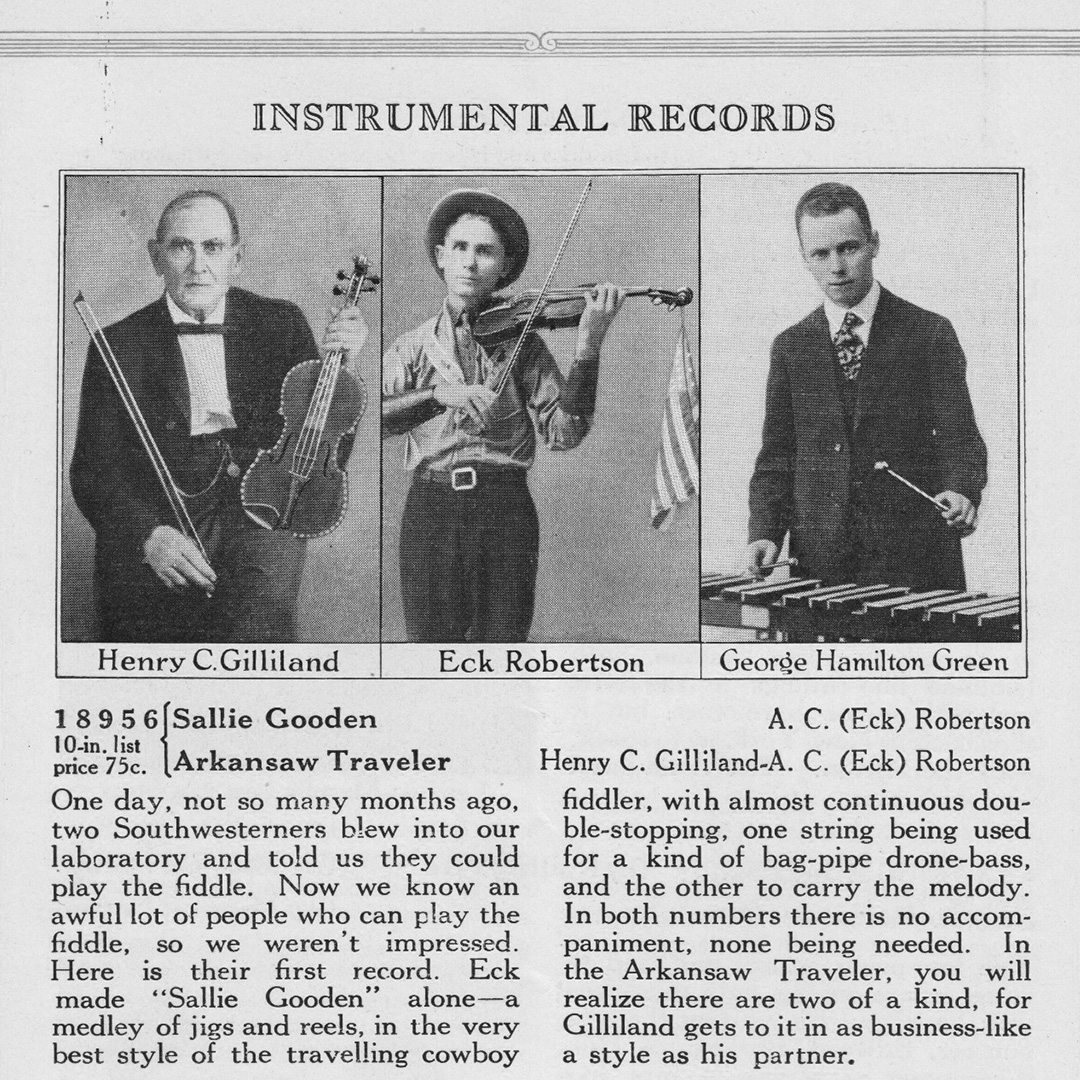
As the son of a Confederate veteran, Robertson started attending annual Old Confederate Soldiers’ Reunions throughout the South. At the Chattanooga, TN reunion in October 1921 his reputation as a performer earned him an invitation to perform with then-governor of Tennessee, Alf Taylor. The performance went well enough for Robertson to gain an invitation to perform at the following year’s reunion held in Richmond, VA. It was there that Robertson met, or was reacquainted with, Henry C. Gilliland; a former justice of the peace, Confederate veteran, and renowned fiddler.

At the 1922 Confederate Reunion Robertson and Gilliland made the decision to travel to New York City in search of a recording audition. The two were offered a place to stay for a few nights by Gilliland’s friend Martin Littleton, a lawyer for the Victor Talking Machine Company. Littleton gave them a tour of the city and introduced them to his colleagues at one of the Victor studios (there were two in operation in 1922).
“
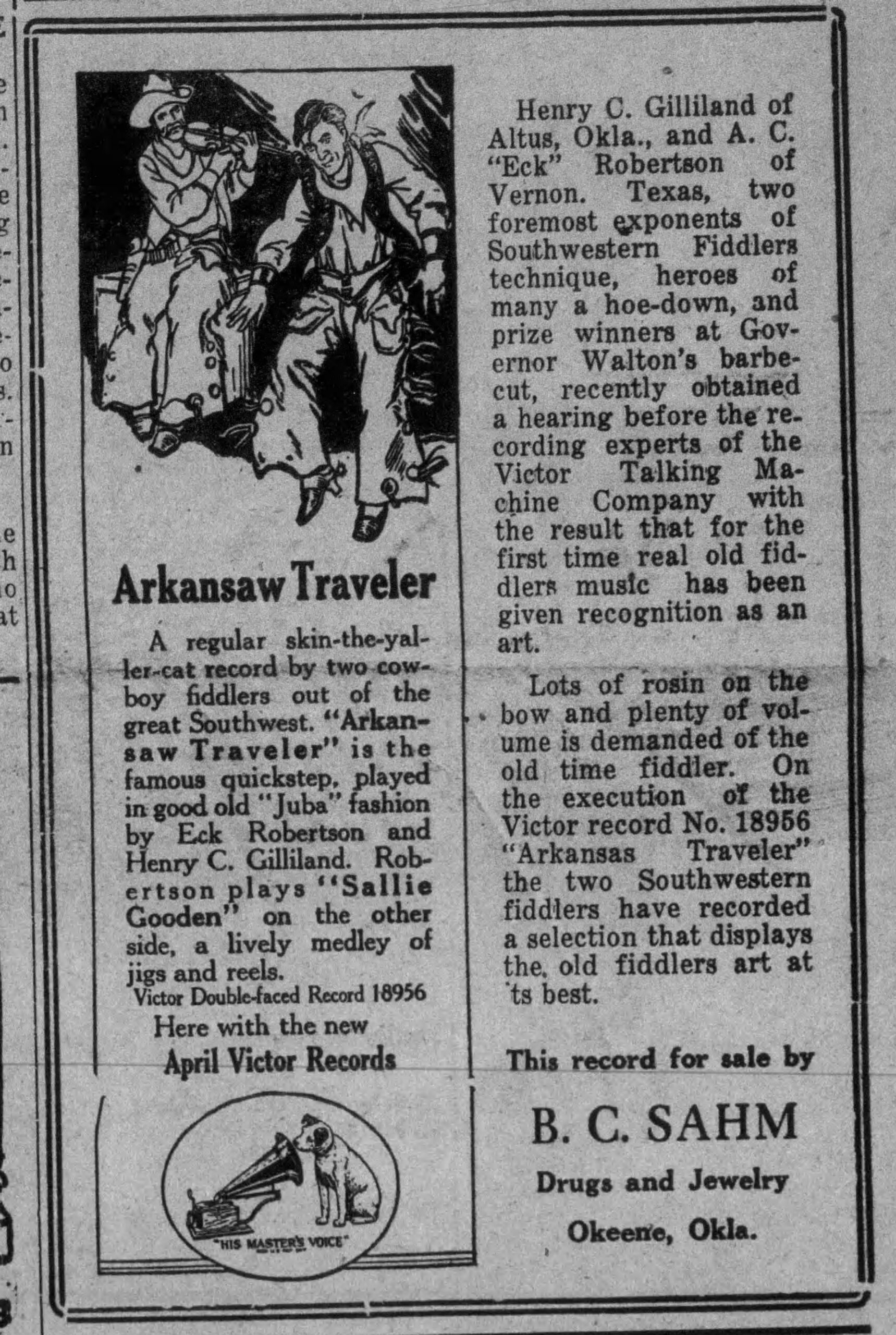
“It wasn’t Robertson’s talent, but a good connection that got him the audition with Victor. His sometime fiddle partner Henry C. Gilliland, a former justice of the peace in Altus, Oklahoma, was friends with lawyer Marvin Littleton, who represented Victor. Gilliland played with Robertson on the session that produced “Arkansaw Traveler,” but Robertson came back the next day by himself to record “Sallie” and five more fiddle tunes. Silent cowboy movies were big at the time, so Robertson showed up in full Western wear—a satin fuchsia shirt with pearl studs, wide-brimmed black hat, and pants tucked into high boots. That information comes from the liner notes of the LP Eck Robertson: Famous Cowboy Fiddler, which he recorded at home in Amarillo as a 76-year-old in 1963. “By MICHAEL CORCORAN Texas Highways
Eck’s own account of this historic confrontation:
“You couldn’t fool that man was running the shop in the Victor office…But then he come at me, he just come into the room in a hurry with a long piece of paper with names on it. He done that on purpose, you see, thought he’d get rid of me just like he had all the rest of them. He said `Young man, get your fiddle out and start off on a tune.’ Said `I can tell that quick whether I can use you or not.’ Well, I said back to him just as honest as I could `Mister, I come a long ways to get an audition with you. Maybe I better wait and come back another time. You seem like you’re in an awful hurry.’ `No,’ he said, `Just start off a tune…’ Well, I didn’t get to play half of Sallie Gooden; he just throwed up his hands and stopped me. Said, `By Ned, that’s fine!’ And just smiled, you know. Said, `Come back in the morning at nine o’clock and we’ll make a test record.”
“Long time ago there was a girl named Sallie, the most beautiful in the land. She had many suitors but couldn’t make up her mind which one to marry. So she held a fiddle contest for her hand. Her beau made the tune and played it for her to win the prize. His name was Gooden, and there have been 13 generations of Goodens since that time. That’s where Sallie Gooden came from and that’s why I composed a variation for each generation in my version of the tune.” Eck Robertson
On the morning of June 30, 1922 Robertson and Gilliland returned to the studio and recorded four duets: “Arkansas Traveler”, “Turkey In The Straw”, “Forked Deer” and “Apple Blossom” (the latter two unreleased). “Arkansas Traveler” showcases the stunning interplay the two were known for, while their counter-melodies weave together as if they had been Henry Gilliland performing with each other for decades. “Turkey In The Straw” features the same dynamic playing while also offering some stunning unison melody lines.
Robertson returned to the studio by himself the next day and recorded six sides. Two tracks (“Sallie Johnson – Billy In The Low Ground” and “Done Gone”) feature Victor staff pianist, Nat Shilkret. Shilkret’s accompaniments bounce along, providing a strong rhythmic pulse for Robertson to play off.
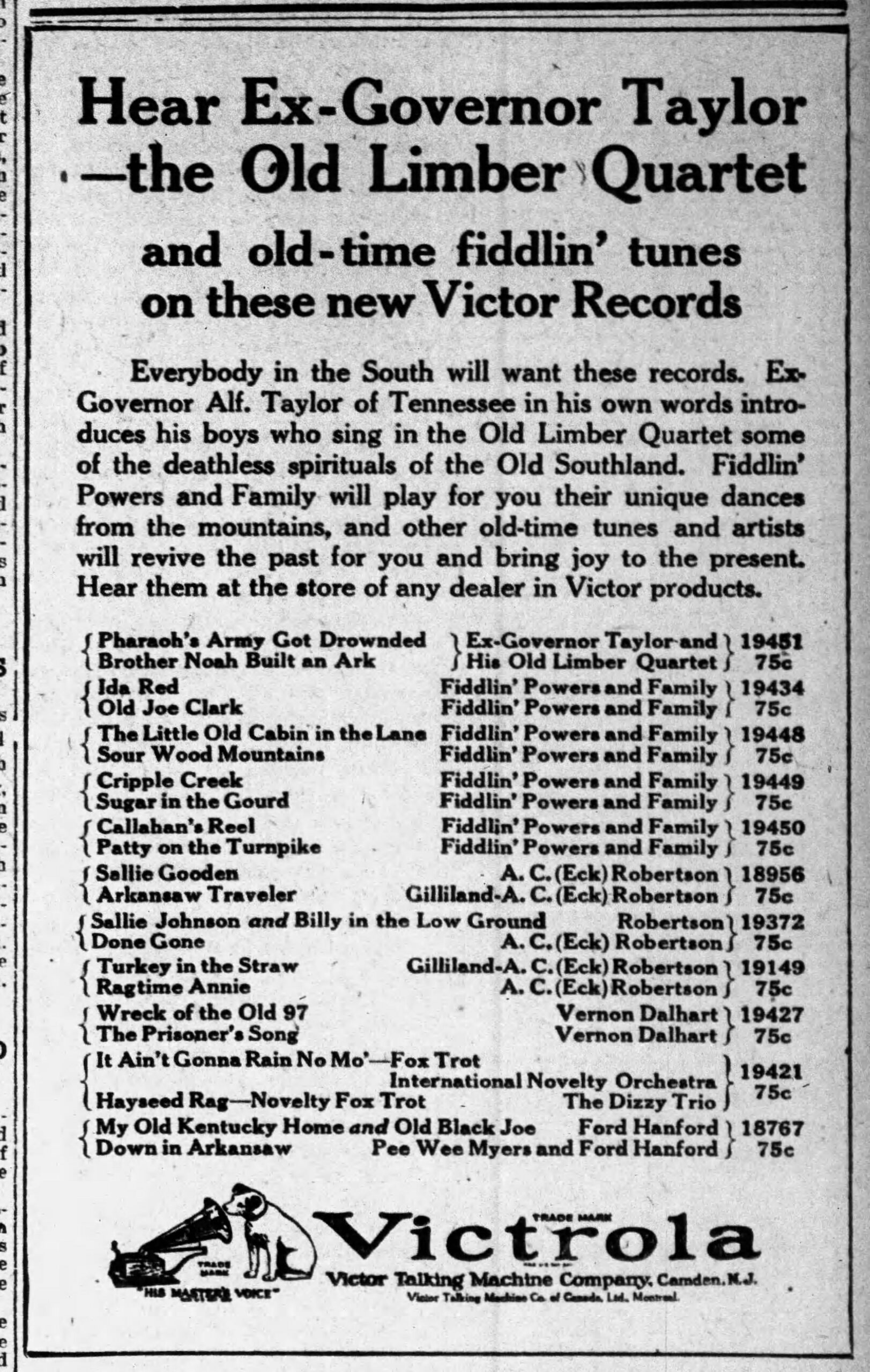
Victor advertisement from 1924 noted the tracks for their “Swift melody and droning, sleepy double-stops.” While the piano accompaniment makes for a nice listening experience, Robertson’s solo fiddle recordings are where he really shines.
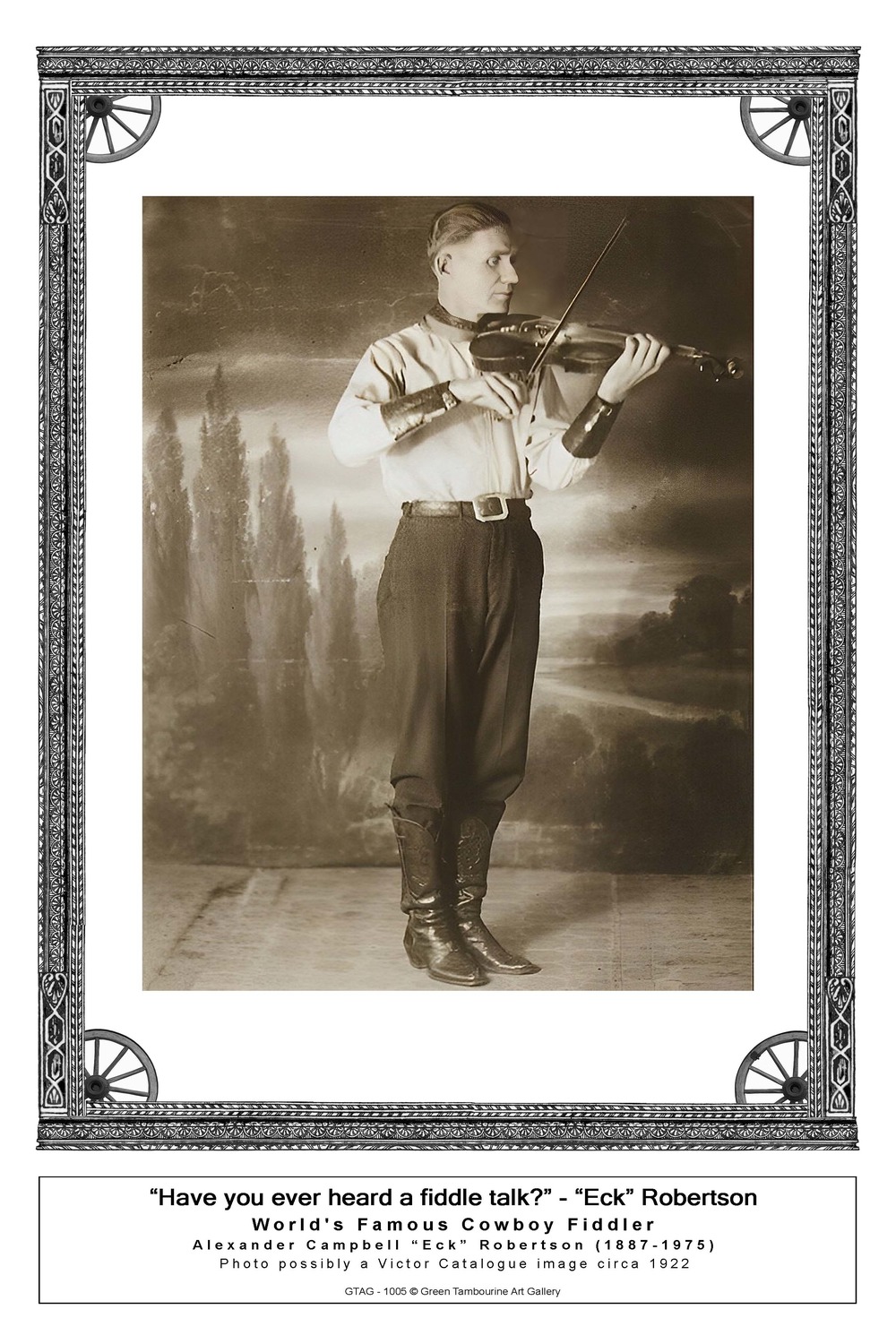

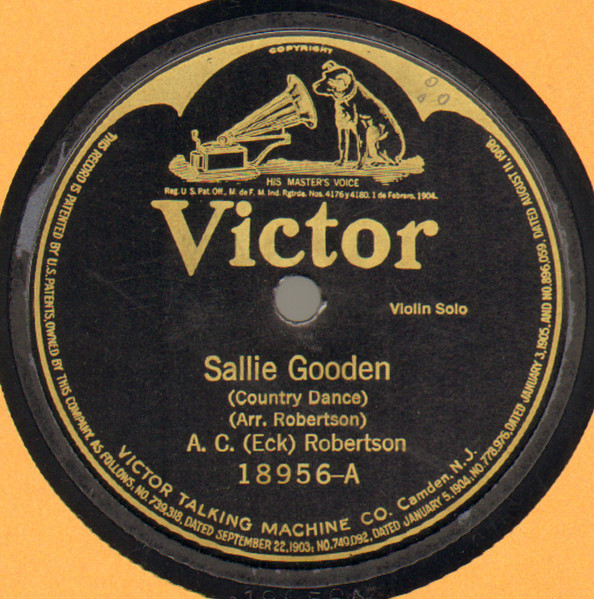
“Ragtime Annie” showcases Robertson’s bowing technique while his left hand hammers out the melody with striking precision. The stunning “Sallie Gooden” still excites to this day. The explosive high E-string melodies, impressive double-stop work, and Robertson’s endless creative variations of the tune all contribute to the recording’s lasting influence. In 1972 Robertson discussed his arrangement: “I worked that out by myself. I mostly improved every old hoedown tune that ever was put out. I generally played better than anybody else, a better arrangement of tunes. I didn’t skip nothing. I didn’t leave out no part of the tune. I didn’t put parts in there that didn’t belong in there, things like that. I stuck with the tunes more than any fiddler. Had people compliment me a lot, people who knew how the tune was really supposed to go.”
Two sides from the July 1 session were regrettably never issued: “General Logan – Reel” and “Brilliancy and Cheathum”. “Brilliancy” may have been an early draft of “Brilliancy Medley” that Robertson later recorded in 1929.
Victor released “Arkansas Traveler” b/w “Sallie Gooden” on September 1, 1922. While there are no surviving sales figures, the release was apparently successful enough for Victor to put out four additional sides over the next year. The success of these releases makes it all the more baffling that Robertson would not enter another recording studio until 1929.
These recordings and Eck’s playing is still revered today..Comment taken from You Tube
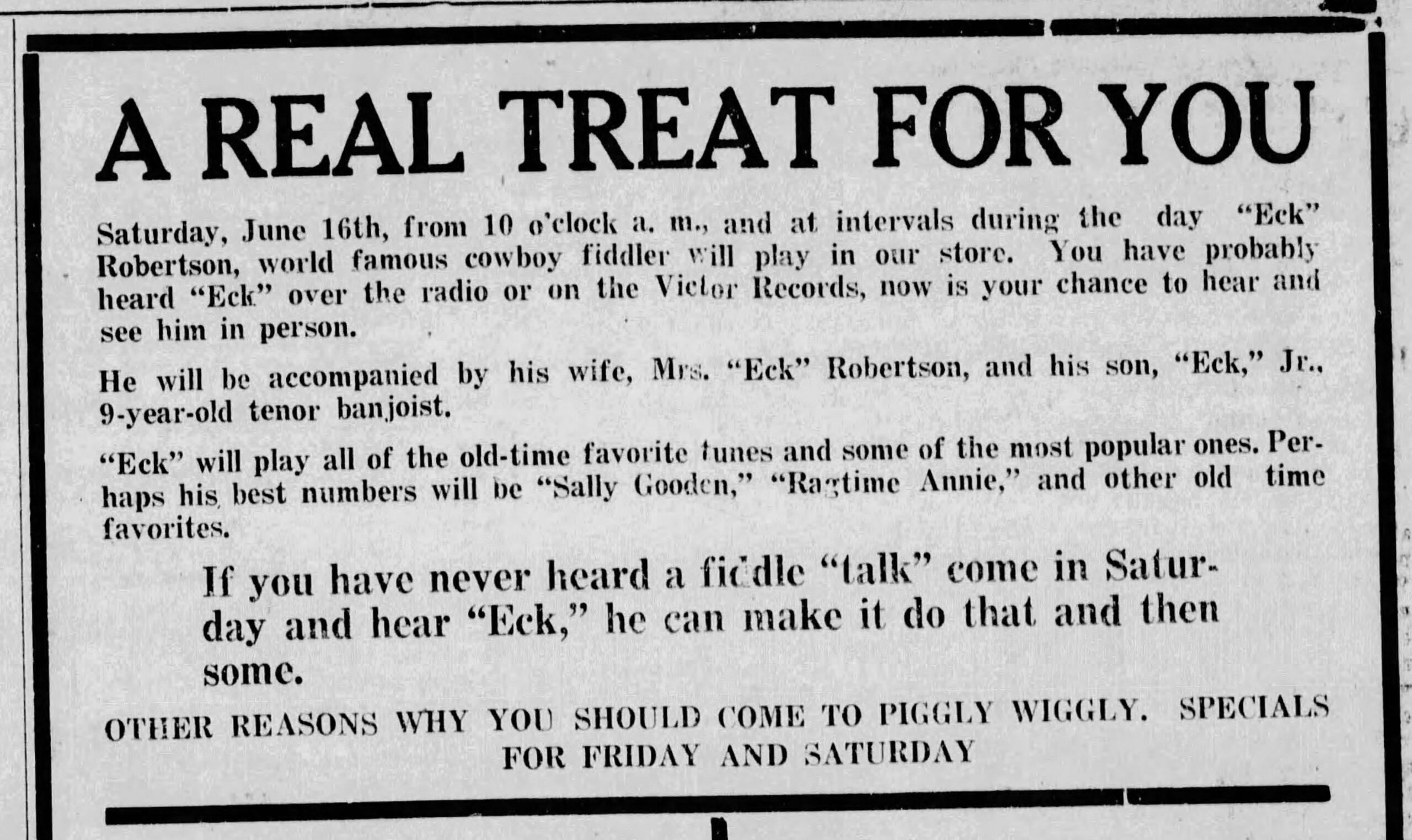
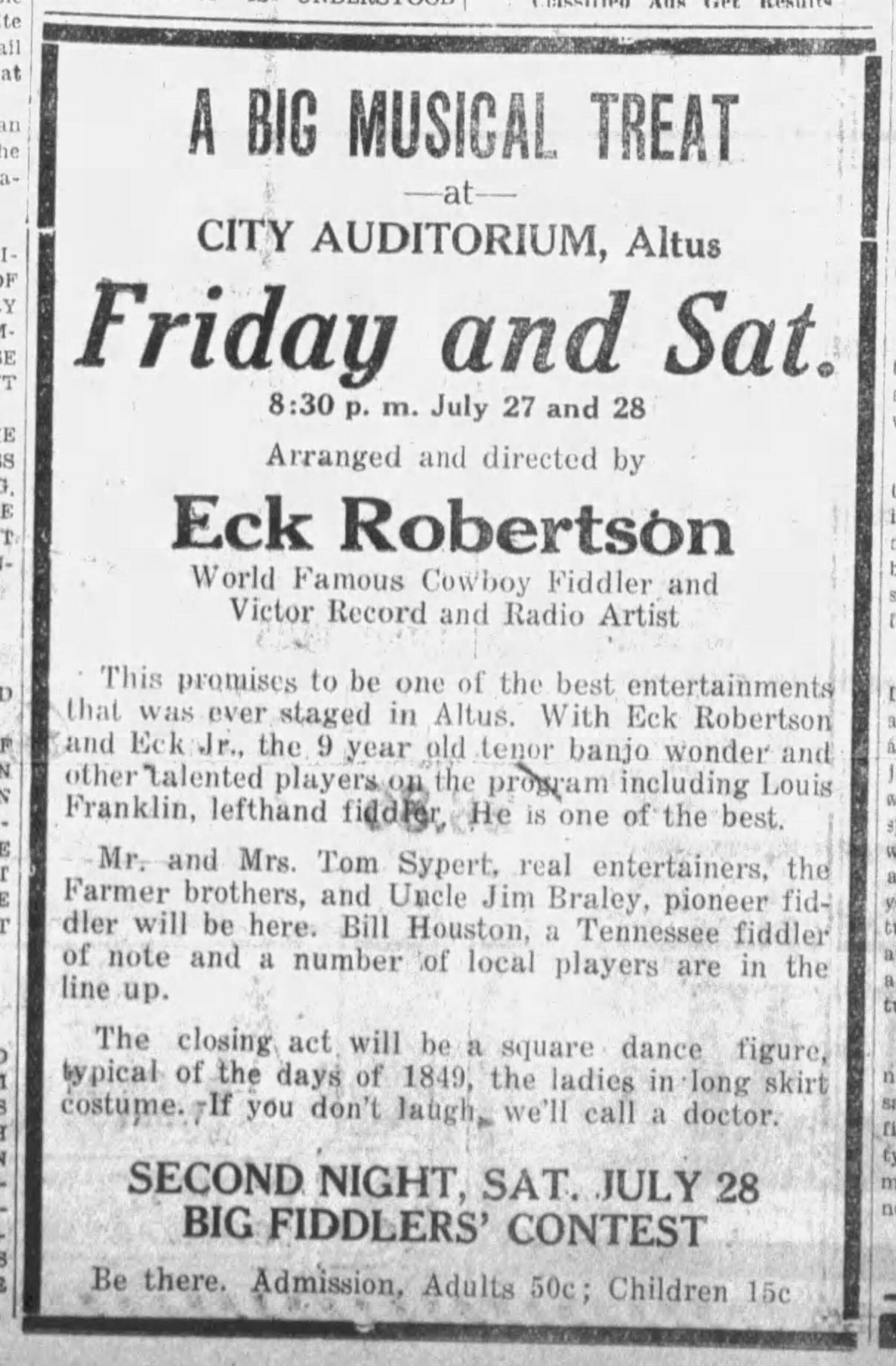
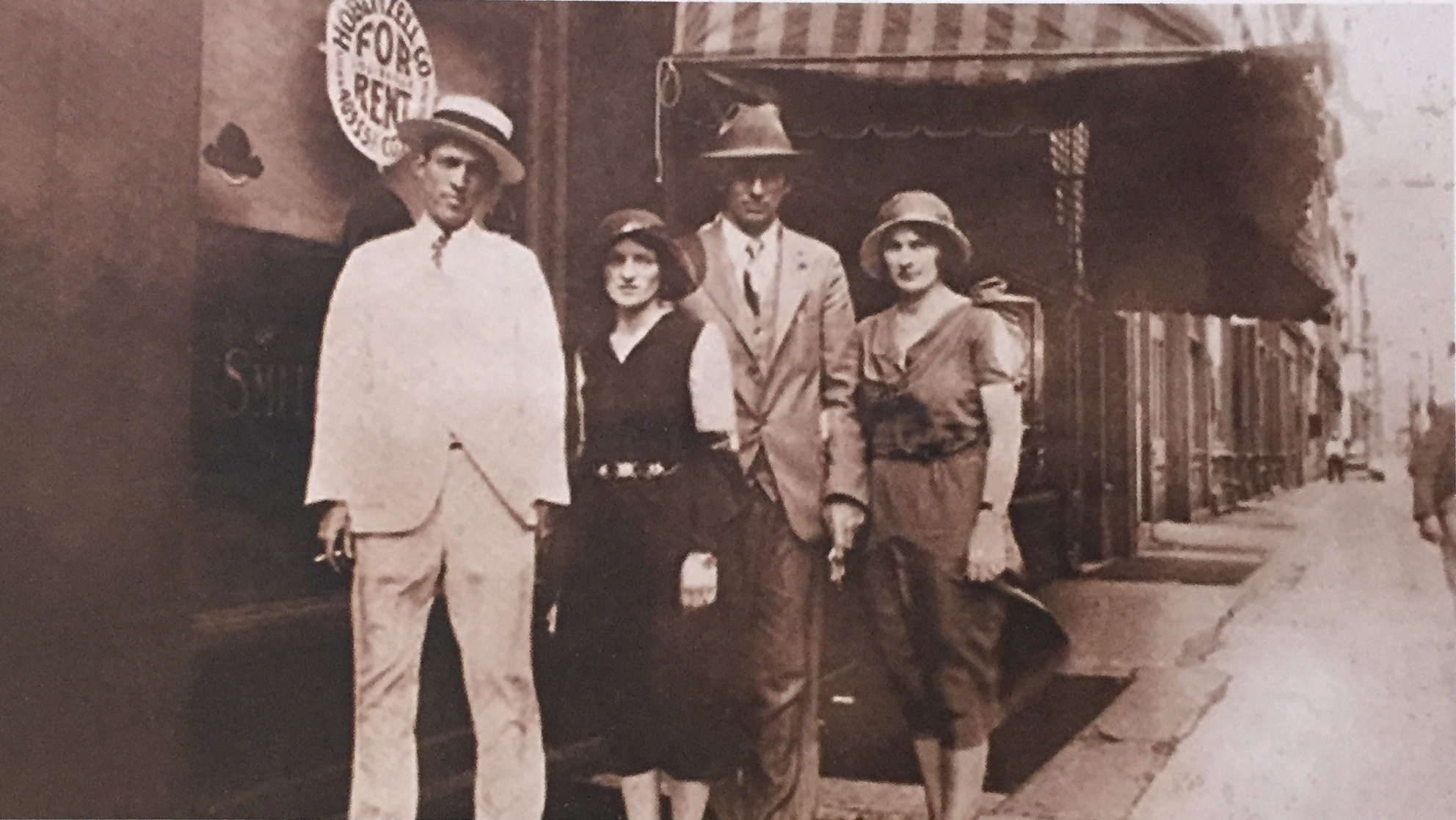
In 1929 Robertson discovered that his Victor releases were now out of print. This news, along with his desire to break into the touring circuit and have recordings of his new family band, led Robertson to seek a new batch of studio dates with Victor. By fortuitous coincidence, Robertson caught wind that Ralph Peer was in town.
Ralph Peer, the Victor A&R man behind the 1927 Bristol Sessions, had just arrived in El Paso in search of his next hit act. After receiving a letter from Robertson inquiring about a possible recording session, Peer invited him to a session in Dallas scheduled for late-July. Due to over-scheduling on Peer’s part, Robertson did not end up in the studio until the final two hours of Peer’s last day of sessions on August 12th.
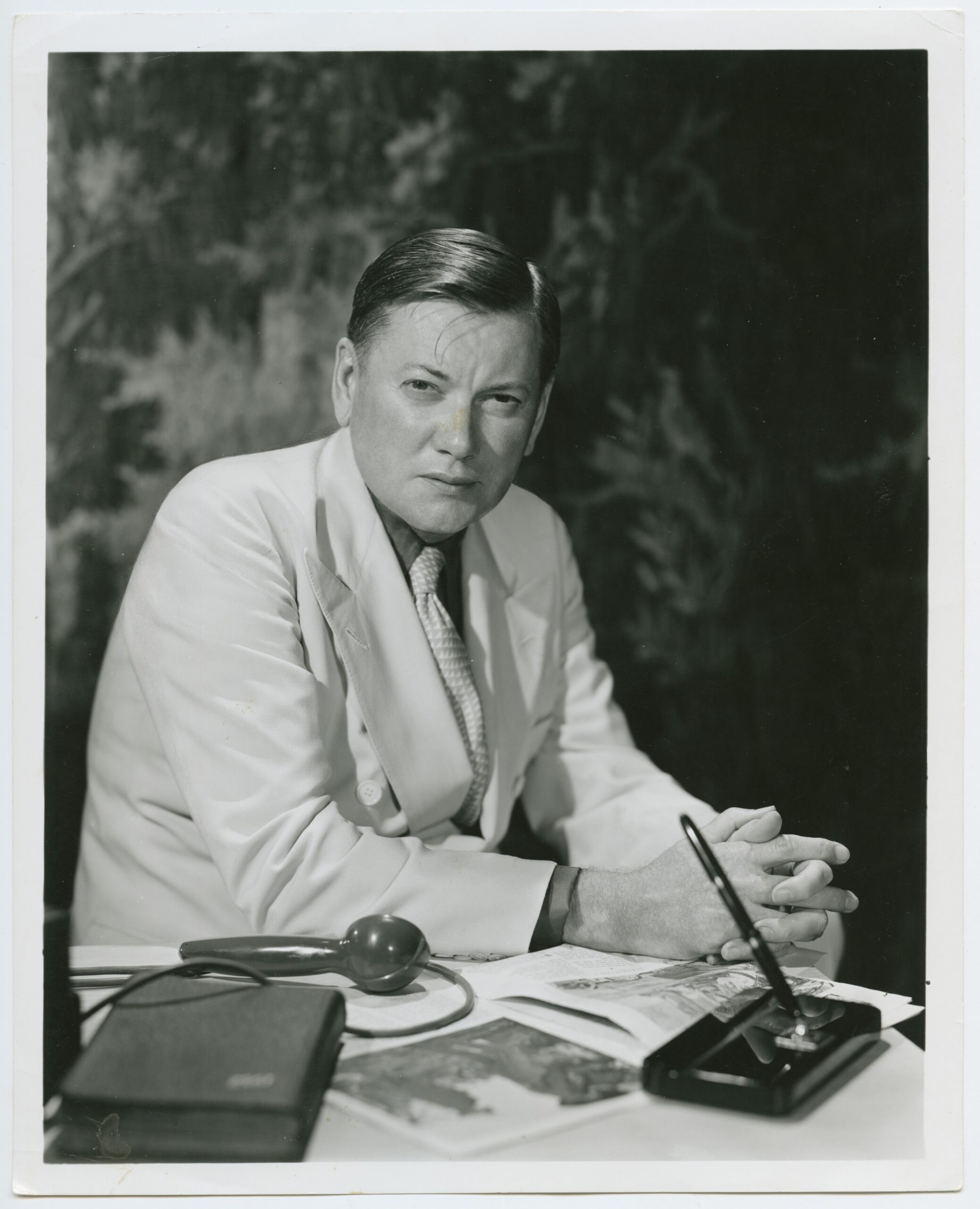
Robertson was joined at this session by his wife Nettie on guitar, his son Dueron on tenor banjo, and his daughter Daphne on tenor guitar. The group managed to record four songs that day (including the two-part “Brown Kelly Waltz”). The fuller string band sound is a welcome addition and provides the recordings with a sense of joy and immediacy even at slower tempos. “Amarillo Waltz”, a Robertson original, has a unique chord progression that anchors the floating fiddle melody beautifully. The other two tracks (“Texas Wagoner” and “There’s A Brown Skin Girl Down The Road Somewhere”) provide an exciting counterpoint to the slower waltzes. Robertson’s fiddle is still the star here. Whether playing a dreamy waltz or a fiery reel, he showcases the skill that won him numerous fiddle contest titles.
Peer was apparently very satisfied with the Robertson recordings and booked a second session two months later in October. Robertson and family arrived at the Jefferson Hotel in Dallas on October 10, 1929. They were joined that day by a second fiddler, Dr. J.B. Cranfill, a local newspaper writer. The same ebullient sound from the August session is heard here. “Great Big Taters” and “Run, Boy, Run” find Robertson and Cranfill matching the tunes note for note with an occasional unique turnaround. Two other tracks from the day, “Apple Blossom” and “My Frog Ain’t Got No Blues” (with a possible Robertson vocal!) were never released.
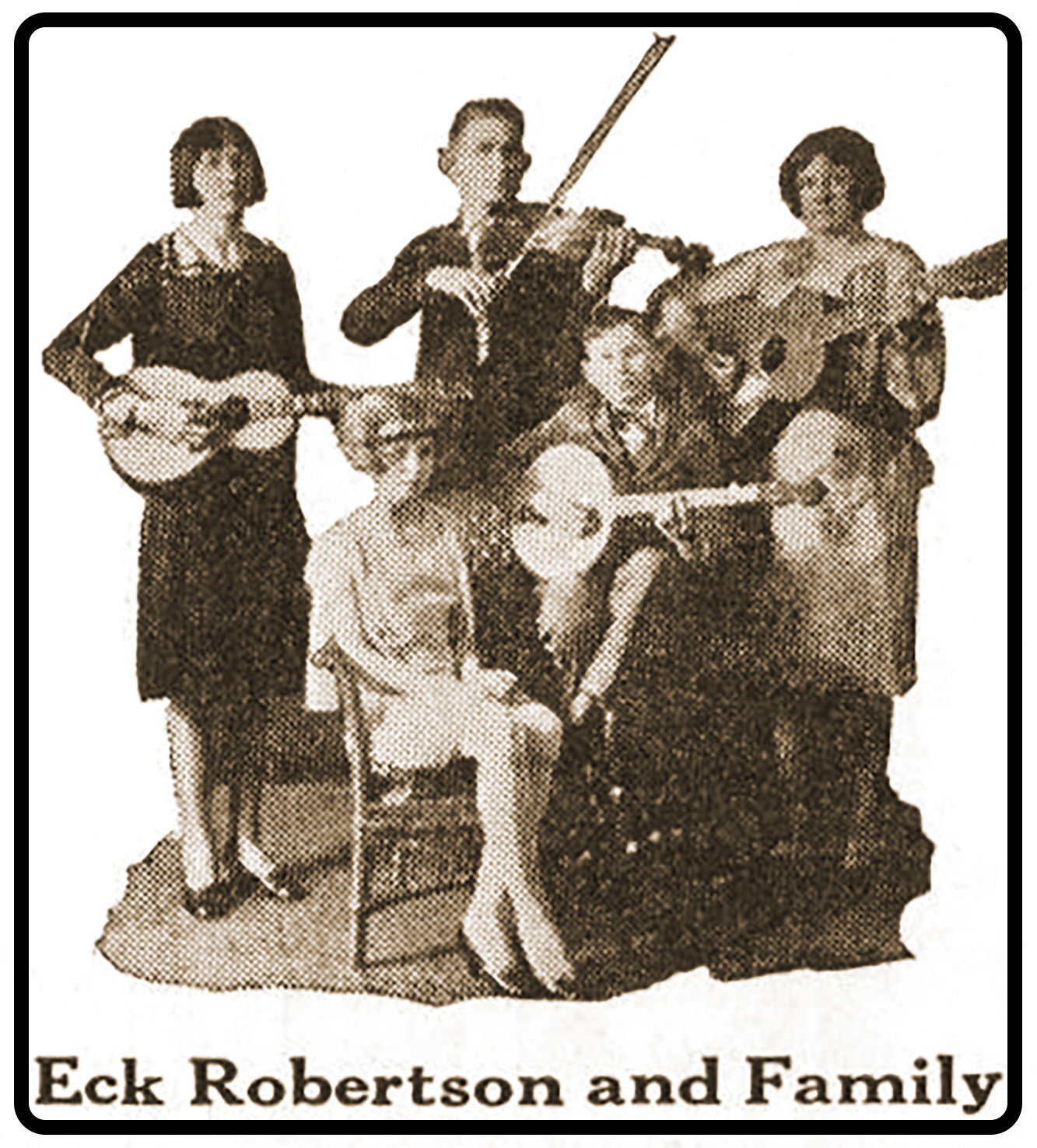
The family returned the next day to record a tune Robertson called “Brilliancy Medley”, an original arrangement comprised of several fiddle tunes (“Drunken Billygoat”, “Wake Up Susan”, “Old Billy Wilson”, and “Bill Cheathum”). The tune would go on to be a best-seller and was later featured in Harry Smith’s legendary Anthology of American Folk Music. The only other track released from the October sessions was a ballad sung by Robertson and Nettie. “The Island Unknown” (released in two parts) tells the story of Robinson Crusoe and features the first commercially released Robertson vocal.
Robertson’s aspirations faced a series of setbacks following the Great Depression. Ralph Peer had planned to record Robertson in February 1932, but it never happened. Victor shifted their focus to more successful acts and allowed Robertson’s recordings to go out of print. His daughter, Daphne, died of pneumonia in 1931. The remaining members of the family band disbanded around the end of the 1930s.

In 1937 he went to Hollywood to appear as a player in a hillbilly orchestra . This did not work out as Eck recalled in an interview for with Michael Price of Amarillo Globe-Times (Amarillo, Texas) 1976 . The manager of the orchestra ” A cowboy guy from up north , who thought he could play a steel guitar ” ultimately feared that Eck would upstage him .. and he was probably correct about that

In September 1940 Robertson recorded with the Sellers transcription studios in Dallas. Sellers recorded various genres of music ranging from country to classical. Many renowned hall of famers and hit artists recorded there, including rockabilly singers and rock-and-roll pioneers Gene Summers and Gene Vincent. Hank Thompson had his first recording session there and recorded the hits “Whoa Sailor” and “Swing Wide Your Gate of Love.” The legendary gospel group the Stamps Quartet recorded there. Various hillbilly singers who performed at the Big D Jamboree, a barn dance and radio program held in the Sportatorium in Dallas, were recorded by Sellers. Other well-known artists who recorded at the studio include the Light Crust Doughboys and Trini Lopez. , Robertson recorded 100 fiddle tunes at Jack Sellers Studios in Dallas, Texas. but frustratingly there is no song listing from these sessions, and none of the tunes have ever surfaced.
Some time about now Robertson and Nettie separated and then in 1944 their son, Dueron, was killed in World War II .
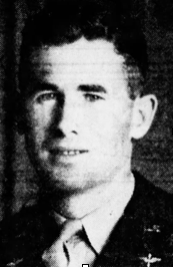
“Amarillo native Lt. Robertson was a fighter pilot who flew P-38s with the 394th Fighter Squadron. He was one of five 394th Lightning pilots killed in the Battle of Cherbourg on June 22, 1944. He was 26 and married to Marianna Robertson.” He was 25 years of age and was laid to rest in the Normandy American Cemetery and Memorial Colleville-sur-Mer, Departement du Calvados, Basse-Normandie, France
Eck now ecked out a living some times playing for a paying audience and sometimes busking and of course fashioning and mending fiddles .Even this did not mean he would be paid he often took payment in food or a meal
Eck was not entirely forgotten though and Wiki tell us that continued to perform extensively at dances, theaters, fiddlers’ conventions and on radio. Robertson appeared at the UCLA Folk Festival in 1964, and at the Newport Folk Festival in 1965, accompanied by the New Lost City Ramblers.[1]
“ Spry and goateed at 77 he caught a plane from Amarillo in July 0f ’63 bound for the New Port Folk Festival and a business conference in New York with the prestigious Vanguard Records.
Eck Robertson plays Forked Deer
And without a shred of irony “
Eck Roberts -Say Old Man Can You Play The Fiddle
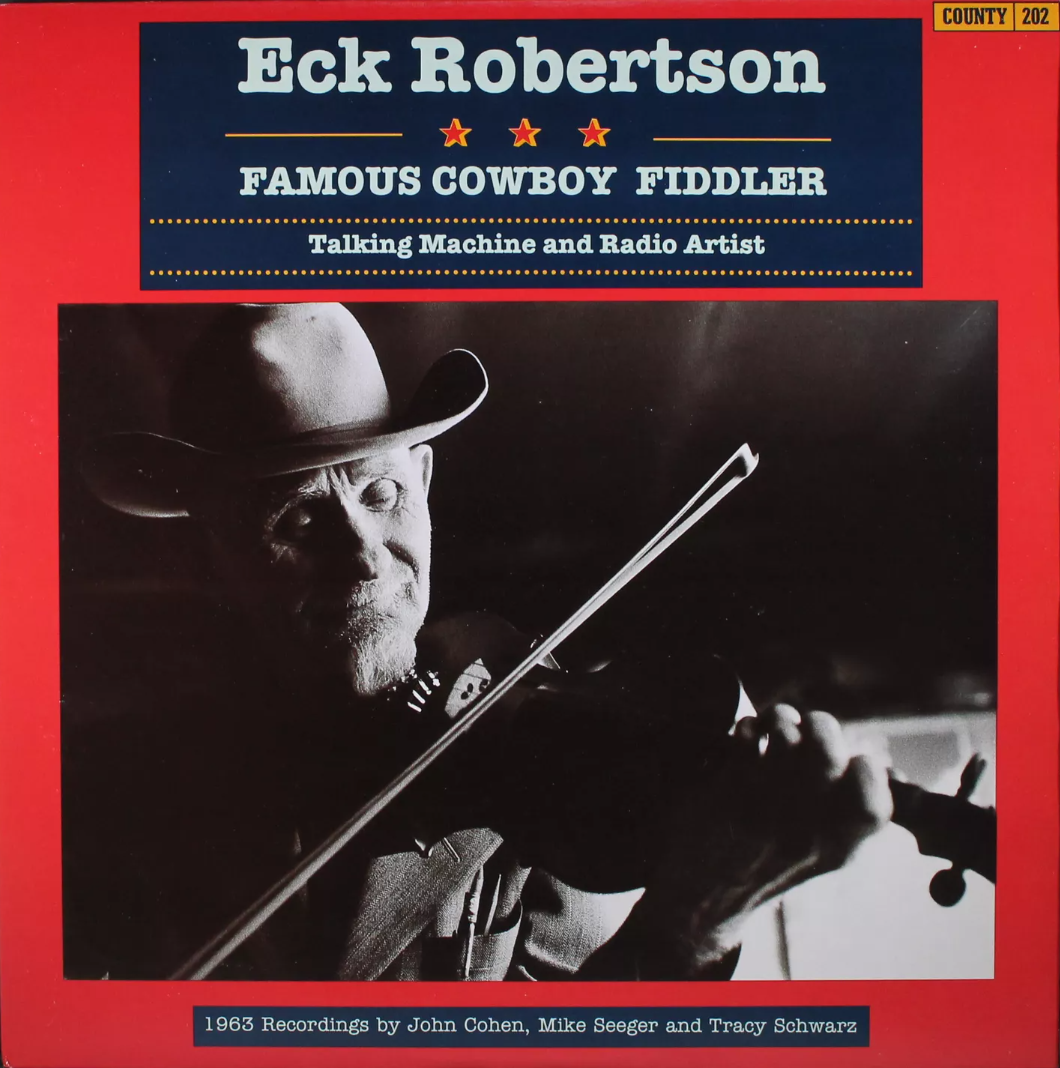
In 1963, John Cohen, Mike Seeger and Tracy Schwarz visited Robertson at his home in Amarillo, Texas and taped some of his music, which was released on County Records as Eck Robertson, Famous Cowboy Fiddler
Eck continued playing and working with his beloved fiddles, but in his mid 88s his health began to fail and it impacted his income
In he was ” re-discovered again ” in difficult circumstances. He was attacked robbed of $50,which was he said “More money than I have spent on myself at any one time.” Eck who had fended for himself all his life finally spent the remainder of his days in a Borger nursing home passing away aged 88 on February 1975
Eck Robertson was interred at the Westlawn Memorial Park Cemetery. His tombstone is engraved “World’s Champion Fiddler” and who are we to argue !
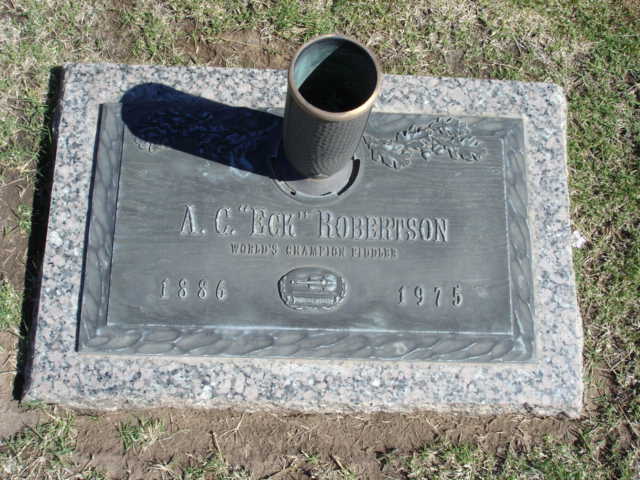

Eck’Plot and Full details
Birth-20 Nov 1887 Delaney, Madison County, Arkansas, USA .DEATH 15 Feb 1975 (aged 87) Borger, Hutchinson County, Texas, USA.BURIAL Westlawn Memorial Park,Borger, Hutchinson County, Texas, USA.PLOT Garden of Good Shepherd A Lot 113 Sp 2
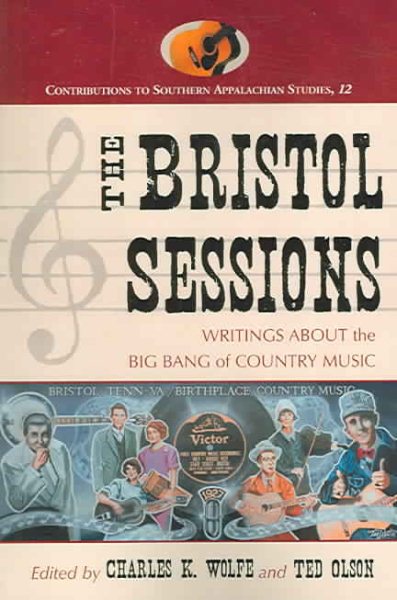 Bristol Sessions : Writings About the Big Bang of Country Music
Wolfe, Charles K. (EDT); Olson, Ted (EDT) Mcfarland & Co INC International Concepts[/caption