
On this day 11th September In 1952, Ray Charles recorded his first session for Atlantic Records in New York City. He performed songs such as “The Sun’s Gonna Shine Again,” “The Midnight Hour,” “Roll with My Baby,” and “Jumpin’ In The Morning .
In 1954 he had recorded “I Got a Woman,” and the rest , as they say is history . You can read more and listen to these recordings here
The “Juke In The Back” presents part 2 of a four part feature on the early musical career of the great, Ray Charles, which will cover 1948-58.
We pick Ray’s musical story up in 1952, just as Atlantic Record acquires his recording contract from Jack Lauderdale’s Swing Time Records for under $3000.
Matt The Cat plays the A and B side of every one of Ray’s singles released from September, ’52 to August, ’54. We’ll also dig on some rehearsal tapes from early 1953, which show the early stages of Ray’s classics “Mess Around” and “It Should’ve Been Me”
It has been said that before he died, Ray Charles gathered most of his 12 children together to tell them that each would be given an irrevocable trust for $500,000 — and that’s all they’d get as he had left most of his estate to the Ray Charles Foundation, a charity that supports the vision- or hearing-impaired.

In 1978 however , the U.S. copyright law was amended to allow authors or their heirs to reclaim song rights 35 years after publication
In 2012, the Ray Charles Foundation, , sued seven of Charles’ children after they attempted to terminate the copyright grants to Warner/Chappell Music for 51 of his songs, including hits like “I Got a Woman” and “What’d I Say.”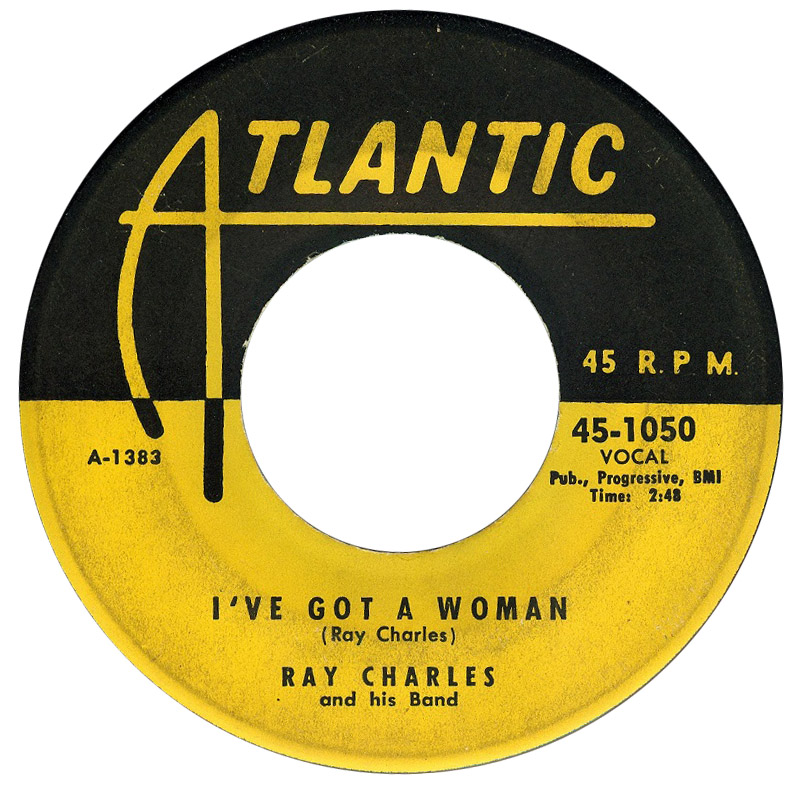
The foundation argued that the children had previously agreed not to seek further claims on their father’s estate
For the lawsuit to proceed, the foundation had to prove its likelihood of winning, but the judge gave reasons why it might not succeed. A key issue was whether Ray Charles’ songs were “works made for hire” and whether he was employed by Atlantic Records and Progressive Music when he composed them, affecting whether the songs could be terminated.
The judge noted that if Charles owned the songs, his agreements with his children couldn’t waive their termination rights, as such waivers are legally unenforceable. If Charles didn’t own the songs, the case would hinge on his employment status at the time.
The foundation also suggested that if Charles’ children were doing something improper, they had standing to either challenge the termination notices or sue the children for copyright infringement because it was the “beneficial owner” of the songs since the publishing company was cutting the Foundation royalty checks.
The case toed and froed and the first court ruling found in favour of the children however in the end, in a landmark 2015 decision, the courts ruled in favor of The Ray Charles Foundation, the entity Charles himself established to manage his music and support charitable causes. The court held that prior agreements and the specific terms set by Charles prevented the termination of rights by his heirs..
If you are a music law nerd like me you can read the full transcript here You can read the full court opinion for The Ray Charles Foundation v. Robinson here: https://scholar.google.com/scholar_case…