
Songwriter, Bluesman, Vaudevillian — and One of the Mysteries of 1920s Atlanta
Over the past few weeks I have been revisiting the catalogue of Waymon “Sloppy” Henry as part of an ongoing project to update metadata across the Document Records catalogue.
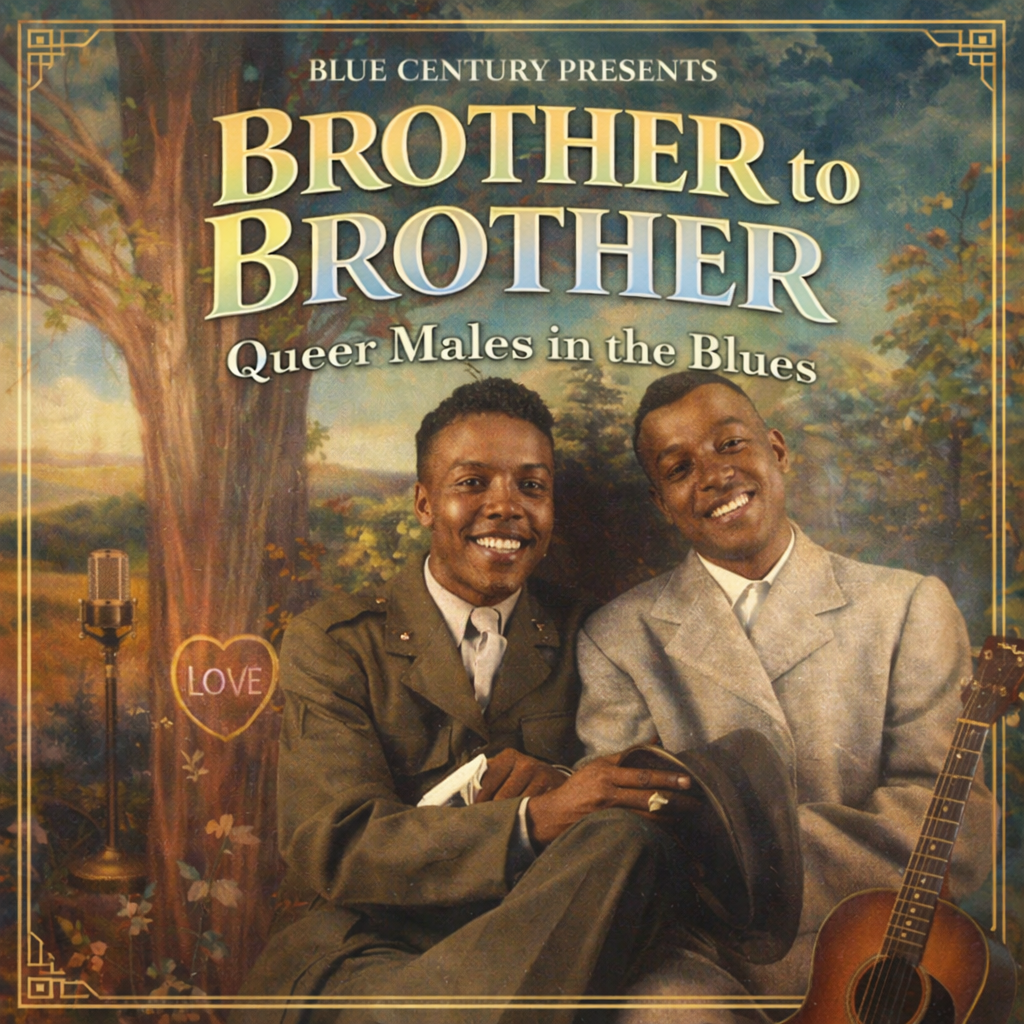
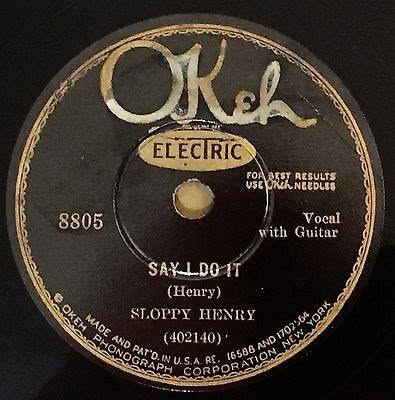
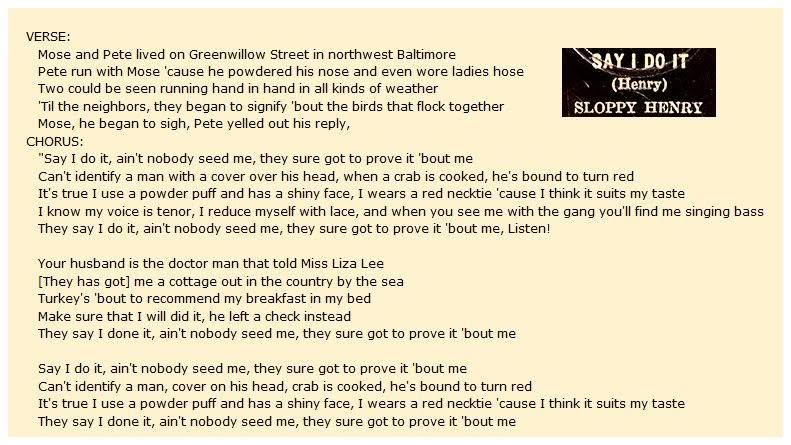
Recently we launched Blue Century Records, a new label which allows us to present carefully curated themed collections alongside the more comprehensive, scholarly approach that has defined Document Records for almost forty years. One of our first releases was Brother to Brother, a collection exploring depictions of queer men in early blues and jazz. Naturally it includes Sloppy Henry’s remarkable Say I Do It, his witty reworking of Ma Rainey’s Prove It On Me Blues. Nearly a century after it was recorded, the song still raises eyebrows. It is humorous, theatrical, wonderfully written and remarkably daring for its time.
The deeper I have looked into Waymon Henry’s work, the more convinced I have become that he deserves to be remembered as far more than an obscure blues singer.
Like so many African American musicians of the period, almost nothing is known about his personal life. We have no verified date of birth, no confirmed date of death and, so far as anyone knows, no surviving portrait photograph. What remains are sixteen recordings made between 1924 and 1929, copyright registrations, recording ledgers and a handful of contemporary documents. Yet together they reveal a musician of remarkable originality.
His catalogue ranges from comic novelties and topical observations to surprisingly tender and reflective performances. Songs such as The Best Cheap Car in the Market Is a Ford, Long, Tall, Disconnected Mama, Run Away Blues and Say I Do It display a sharp wit and an instinctive understanding of popular entertainment that feels rooted as much in the Black vaudeville stage as in the blues tradition. The more I listened, the less he resembled the familiar image of the solitary blues singer and the more he emerged as a seasoned all-round entertainer — someone who could sing, tell stories, adapt popular songs, make audiences laugh and write memorable originals of his own.
Copyright, Composition and Irene Spain
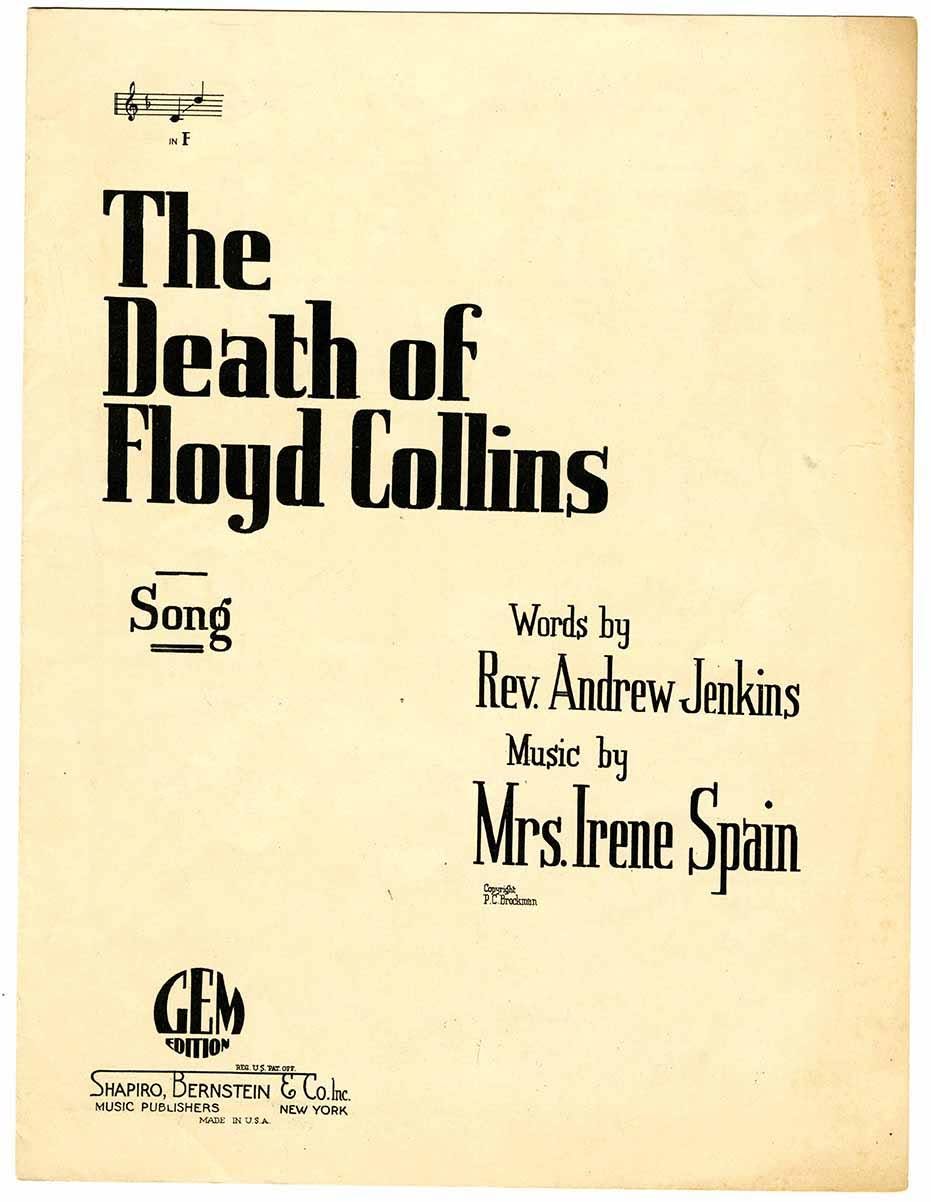
Following the paper trail has been almost as rewarding as listening to the records. Library of Congress copyright registrations repeatedly credit Weyman (Waymon) Henry with both words and music, while naming Irene Spain as arranger. That distinction is important. It suggests Henry was bringing original compositions into Polk C. Brockman’s Atlanta publishing office, where Spain’s role was to translate performances into formal musical notation suitable for copyright registration.
The more I learned about Irene Spain, the more fascinating she became. She was the gifted stepdaughter of the prolific gospel composer Andrew Jenkins and was herself a pianist, organist and broadcaster with the pioneering Jenkins Family, one of the earliest gospel groups to appear regularly on Atlanta radio station WSB. She also prepared musical manuscripts for other Georgia musicians, including Fiddlin’ John Carson, who reportedly relied upon her because he could not read or write conventional musical notation. Far from being a mysterious name hidden away in copyright records, Irene Spain appears to have been one of the quiet but indispensable figures behind Atlanta’s remarkable recording scene during the 1920s.
Atlanta and the Location Recordings
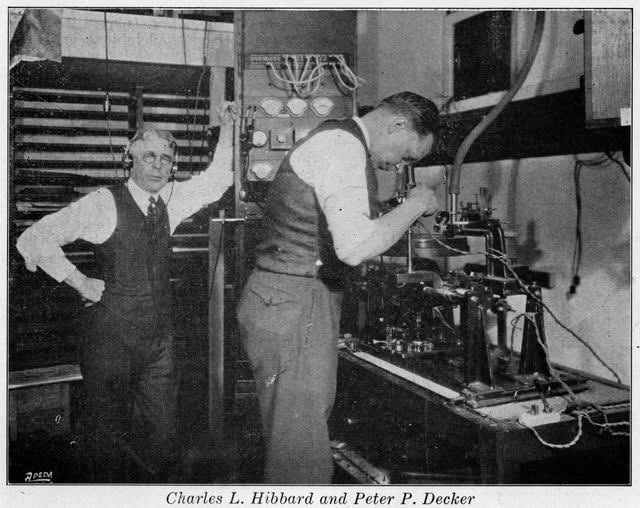
Everything seems to converge on Polk C. Brockman’s extraordinary operation in Atlanta. Brockman recognised that Southern audiences wanted to hear their own music rather than polished productions shipped from New York. Together with OKeh recording director Ralph Peer, he established temporary recording studios in Atlanta, inviting local musicians to perform for what became some of the earliest commercial location recording sessions in America. Those sessions captured an astonishing cross-section of Southern music before Nashville had become the centre of the recording industry.
It is easy to imagine the atmosphere: musicians arriving by train carrying battered guitars and fiddles, climbing the stairs to a makeshift recording room; heavy blankets hanging from the walls to deaden the echoes; one microphone; one opportunity.
The Musicians Around Sloppy Henry
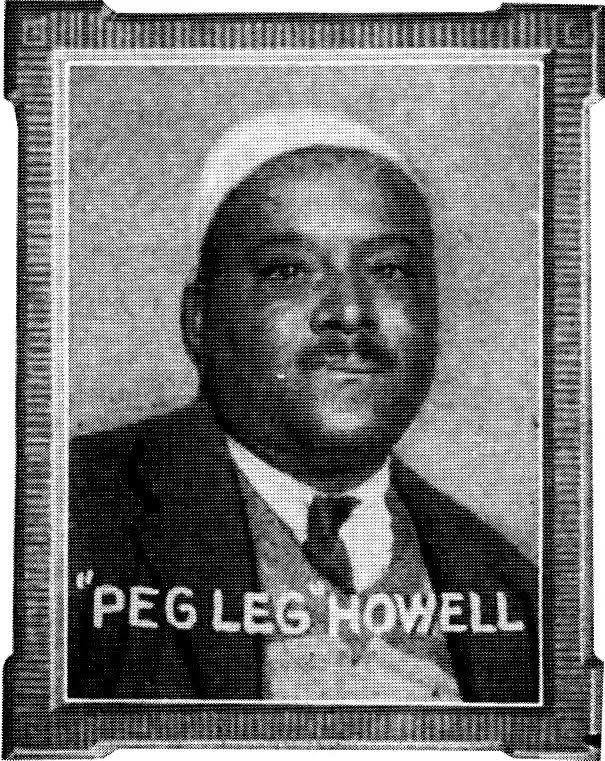
Around Sloppy Henry gathered an extraordinary cast of musicians. On some sessions he was accompanied by the elegant jazz pianist Eddie Heywood Sr.; on others by the earthy brilliance of Peg Leg Howell and the wonderfully expressive fiddler Eddie Anthony, whose raw playing perfectly complemented Henry’s vivid storytelling.


A Top Hat, an Advertisement and a Missing Man
One particularly intriguing piece of evidence survives from the period. A rare published image of Waymon “Sloppy” Henry appears in an OKeh Records Christmas advertisement published in the Chicago Defender in December 1925. Although the surviving reproduction is extremely poor, Henry is shown in theatrical costume, complete with top hat, and almost certainly wearing blackface stage make-up.
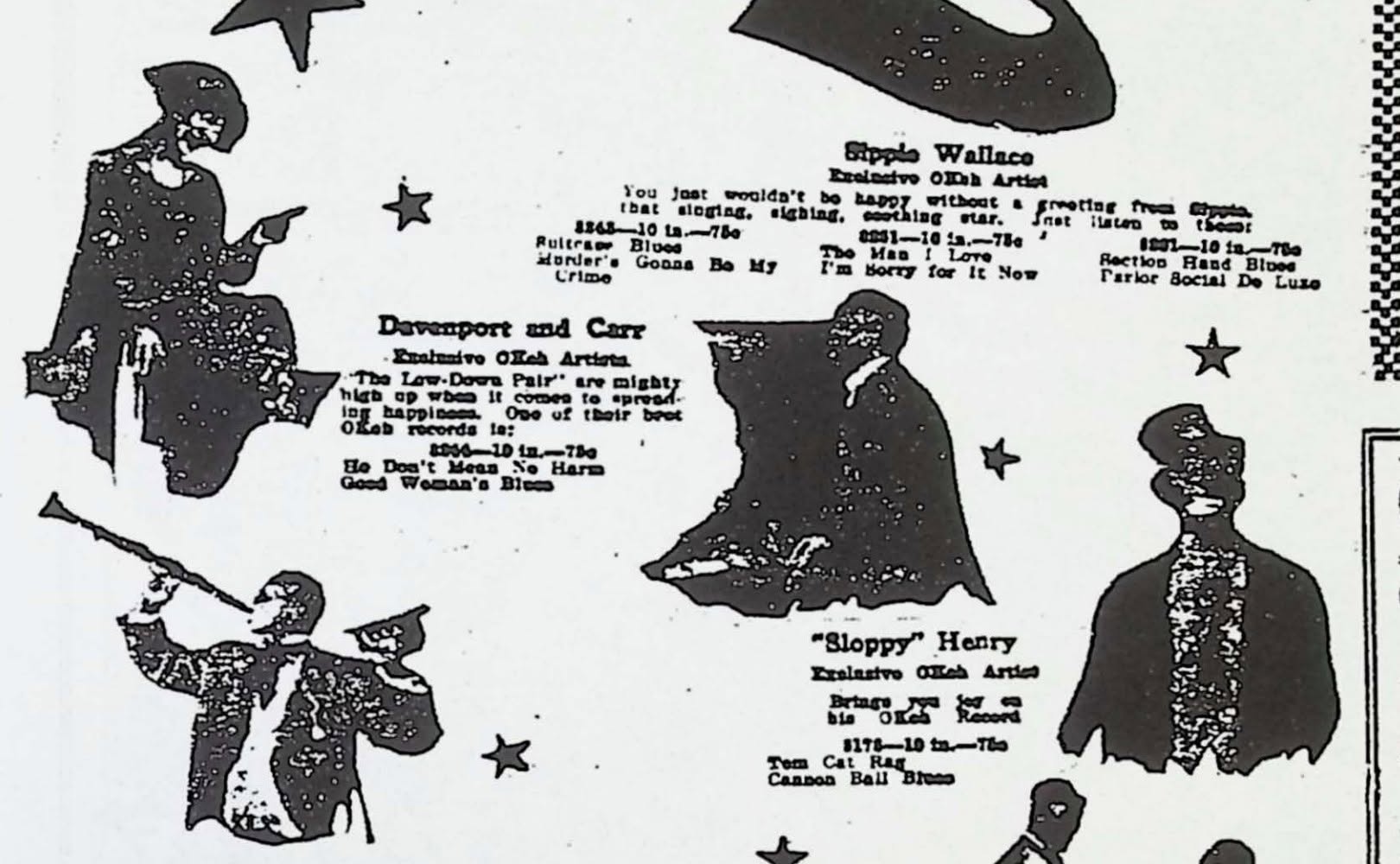
Uncomfortable though it is to modern eyes, such imagery was commonplace in American popular entertainment during the period. It tells us far more about the racial conventions of the commercial entertainment industry than it does about the performers themselves. Rather than presenting Henry simply as a blues singer, the advertisement portrays him as a professional stage entertainer, reinforcing the impression left by his witty, theatrical songs: that he was an accomplished vaudevillian as well as a gifted songwriter.

Of course, some of this picture is necessarily reconstruction rather than documented fact. The recording dates, locations, personnel, matrix numbers and copyright registrations are matters of record. The conversations, personalities and atmosphere have inevitably been lost to history. Yet the surviving evidence paints a compelling portrait of a gifted songwriter, entertainer and observer of human nature whose work deserves far wider recognition than it has received.
Then, almost as suddenly as he had appeared, Waymon Henry vanished from the historical record. Whether he became another victim of the economic devastation that followed the Wall Street Crash, or simply returned to a life beyond the reach of historians, we do not know. His story remains one of the many mysteries of early American music.
Nearly one hundred years later, revisiting these recordings reminds me why we continue to do this work. Every copyright registration, every matrix number and every forgotten 78 rpm record helps restore another small piece of a remarkable musical world that might otherwise have disappeared forever.
A Basic Discography of Waymon “Sloppy” Henry
This is a concise session discography rather than a complete database listing. It draws on the Discography of American Historical Recordings and Document Records research.
| Date | Matrix | Title | Accompaniment / notes |
|---|---|---|---|
| 27 August 1924 | 8715 | Tom Cat Rag | Eddie Heywood and Sloppy Henry; male vocal with piano. |
| 27 August 1924 | 8716 | Cannon Ball Blues | Eddie Heywood and Sloppy Henry; male vocal with piano. |
| March 1926 | 9578 | Foggy Morning Blues | Eddie Heywood Sr. and Sloppy Henry; male vocal with piano. |
| March 1926 | 9579 | Bobbed Haired Woman Blues | Eddie Heywood Sr. and Sloppy Henry; male vocal with piano. |
| March 1926 | 9580 | Traveling Blues | Eddie Heywood Sr. and Sloppy Henry; male vocal with piano. |
| March 1926 | 9582 | Goose Pecked Man | Eddie Heywood Sr. and Sloppy Henry; male vocal with piano. |
| March 1926 | 9583 | Alias Charley Jones Blues | Eddie Heywood Sr. and Sloppy Henry; male vocal with piano. |
| March 1926 | 9584 | Run Away Blues | Ms. Burr, Eddie Heywood Sr. and Sloppy Henry; female-male duet with piano. |
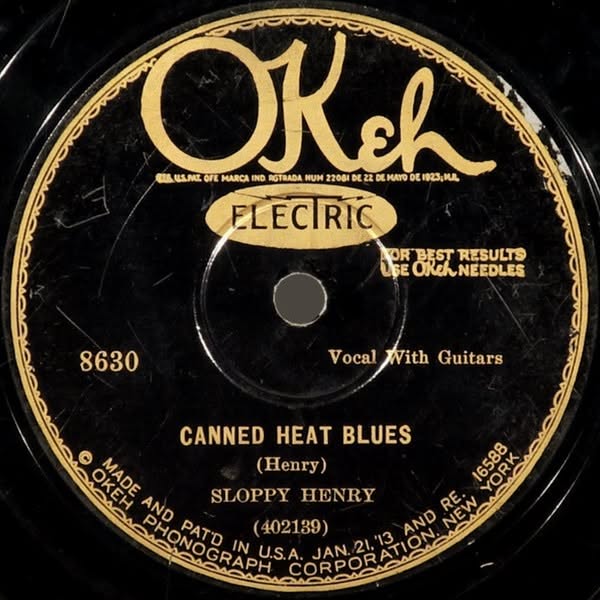
| 13 August 1928 | W402139 | Canned Heat Blues | Male vocal with two guitars. |
| 13 August 1928 | W402140 | Say I Do It | Male vocal with two guitars. |
| 13 August 1928 | W402141 | Long, Tall, Disconnected Mama | Male vocal and vocal duet, with violin and guitar. |
| 13 August 1928 | W402142 | Royal Palm Special Blues | Male vocal with violin and guitar. |
| 12 March 1929 | W402281 | Hobo Blues | Male vocal with cornet and piano. |
| 12 March 1929 | W402282 | The Best Cheap Car in the Market Is a Ford | Male vocal with cornet and piano. |
| 12 March 1929 | W402283 | Jomo Man Blues | Male vocal with cornet and piano. |
| 12 March 1929 | W402284 | Some Sweet Rainy Day | Male vocal with cornet and piano. |
Source: Discography of American Historical Recordings, s.v. “Sloppy Henry,” accessed 27 September 2026. DAHR records two additional March 1926 matrix entries, 9581 and 9585, for which titles are unknown.
Listen with Document Records
Sloppy Henry’s recordings can be explored through Document Records reissues, including:
Peg Leg Howell & Eddie Anthony — Complete Recorded Works 1926–1930, Vol. 1 (1926–1928)
Eddie Heywood & The Blues Singers: Various Artists (1923–1926), Document Records DOCD-5380.
Research and Article Preparation
Research compiled by Gillian Atkinson, with additional research, fact-checking and editorial assistance from Mavis Chatsworth, her AI research and writing assistant.
The historical research for this article has been drawn from the discographical and copyright material cited above, together with Document Records’ own discographical knowledge and research gathered specifically for this feature.
We believe in being open about our use of AI. It does not replace original research, historical sources or human judgement. We use it as a research and editorial tool: to help investigate and cross-check information, organise substantial amounts of material, and present detailed music history in a clear and accessible form.
This is particularly valuable to us because Document Records has always had an international audience. We want serious historical research to remain academically responsible while also being readable and accessible to people of different ages, backgrounds and levels of English.
The research, selection of material and final editorial decisions remain ours. Where a fact cannot be satisfactorily established, we would rather say so than allow AI — or indeed any secondary source — to turn uncertainty into fact.
Article prepared for Document Records / Blue Century Records by Gillian Atkinson with her AI assistant and partner, Mavis Chatsworth.