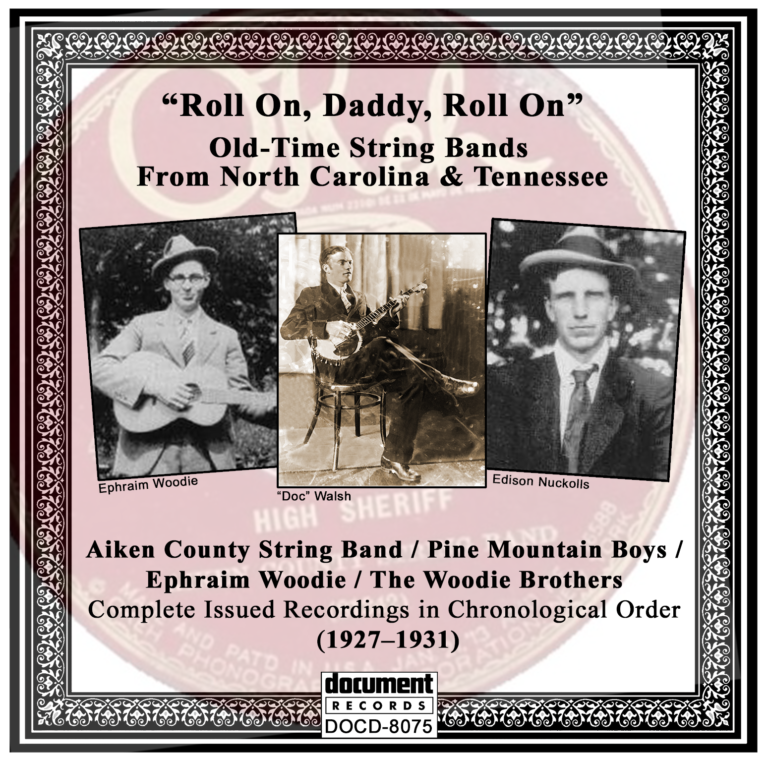
Discover the rich history of Old Time String Bands from North Carolina and Tennessee. Roll On, Daddy, Roll On – Complete Issued Recordings, 1927–1931 traces the very roots of Appalachian music.”
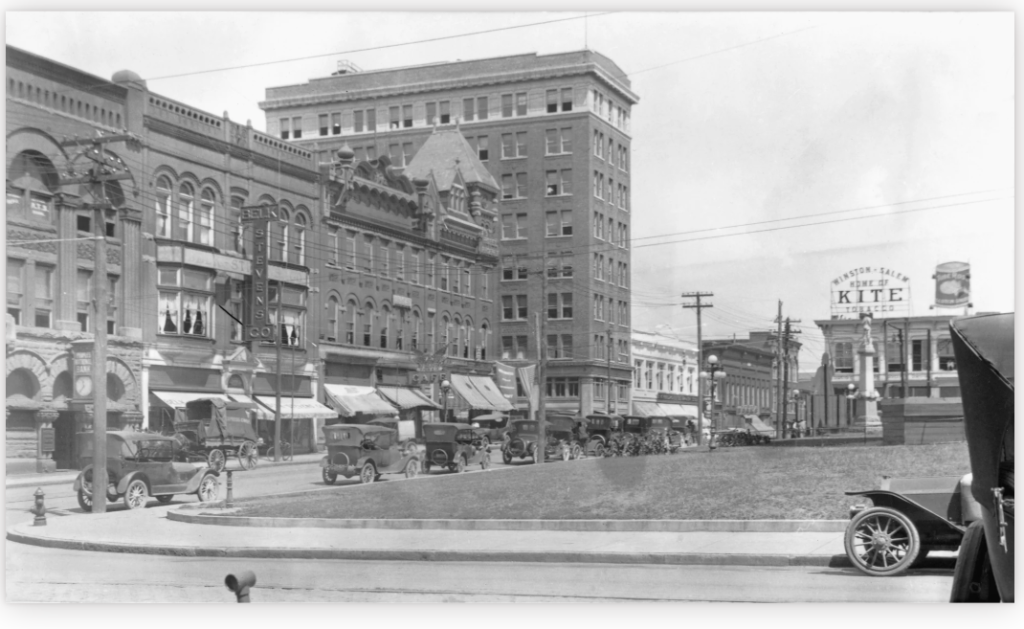
In the late 1920s and early 1930s, something remarkable happened in the American South. A new sound began to take shape—not in studios, but in cotton mills, mountain hollers, and family parlours.
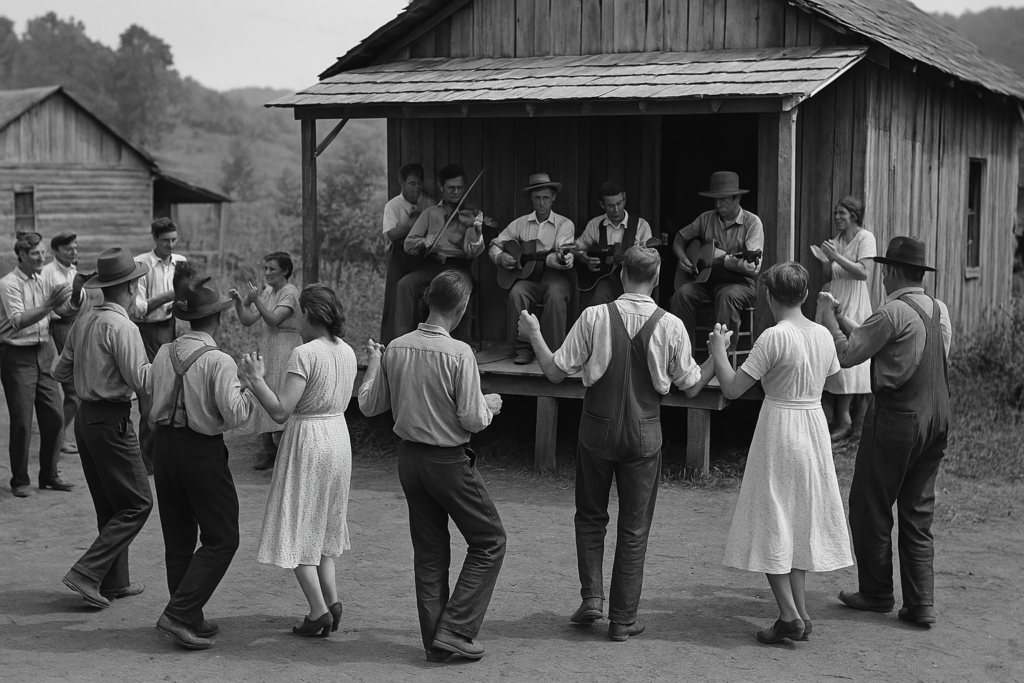
People passed songs from ear to ear. They sang ballads, blues, and dance tunes on porches and in fields. Music flowed at church socials, factory parties, and Saturday night dances.
These songs told real stories. They spoke of love, work, sorrow, and strength.
Soon, record companies started to listen. They held sessions across North Carolina and Tennessee, eager to capture these raw, honest voices.
Thanks to those recordings, we now have a rare archive. It shows the roots of American folk and early country music. And it keeps the sound of that world alive—a sound built on heart, heritage, and home.
Roll On, Daddy, Roll On is our new album. It features rare recordings made between 1927 and 1931 by old-time string bands from North Carolina and Tennessee.
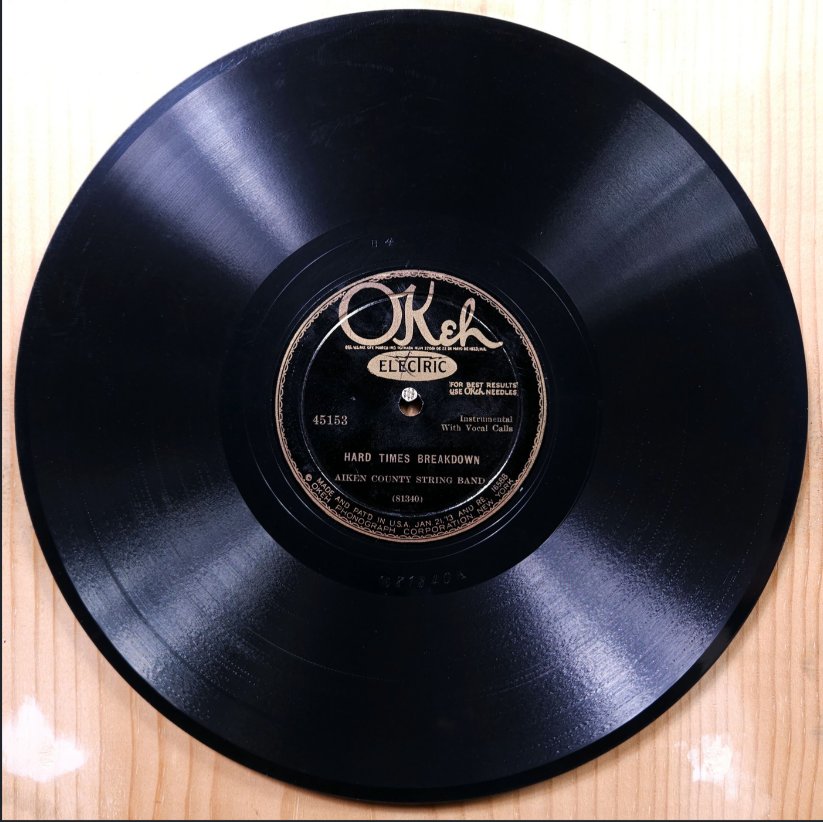
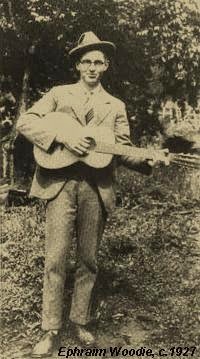
You’ll hear four unique acts: Aiken County String Band, Ephraim Woodie & the Henpecked Husbands, the Woodie Brothers, and the Pine Mountain Boys. These are the only known recordings by these groups.
Their names may not be familiar, but their music has a strong voice. It tells of life in small communities—of hard work, good company, and simple pleasures. Each track carries the sound of a time and place now long gone, but not forgotten.
This album brings that world back to life. It offers a window into the roots of American music and the lives of those who played it.
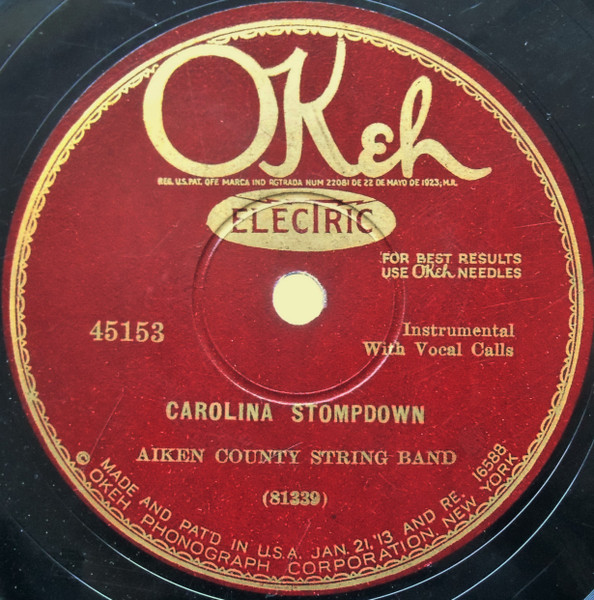
The Aiken County String Band recorded in 1927 for OKeh Records. The session took place in Winston-Salem, North Carolina.
We know very little about the people behind the music. Their names are lost to history. But the tracks they left behind speak volumes.
Songs like Carolina Stompdown and Harrisburg Itch capture the spirit of barn dances and rural celebrations. These tunes are lively, rhythmic, and full of joy. You can almost hear the stomping feet and laughter in a warm community hall.
This is music made for gathering. It reflects the communal heart of Southern string band culture. These were likely favourites at local events—places where neighbours met to eat, talk, and dance.
The playing is tight and full of energy. It shows skill, confidence, and love for tradition. Though the musicians remain unknown, their sound lives on. It gives us a rare glimpse into the life of Aiken County’s working families—where music brought comfort, release, and joy.
Little is known about the individuals behind this vibrant South Carolina string band. Nevertheless, their spirited recordings—captured during a 1927 OKeh session in Winston-Salem—tell us much about who they were.
Tracks like Carolina Stompdown and Harrisburg Itch reflect a lively dance tradition and remarkably tight ensemble playing. They suggest a group deeply familiar with community gatherings, barn dances, and rural celebrations.
Though their names have been lost to time, their sound endures. It offers a joyful, foot-stomping snapshot of life in Aiken County’s mills and farmlands—a testament to music as both expression and release.
In the autumn of 1929, Columbia Records opened a temporary field studio in Johnson City, Tennessee. Local musicians came from nearby towns and hillsides, hoping for the chance to record.
On October 24, Ephraim Woodie and the Henpecked Husbands made their mark. They recorded two remarkable songs.
The first, Last Gold Dollar, is a gentle love ballad. It is wistful and finely sung, with a soft sadness beneath the melody.
The second, The Fatal Courtship, tells a darker story. It speaks of heartbreak and suicide. This song likely came from Woodie’s own family—perhaps passed down from his mother.
Together, these two tracks reveal the depth of Appalachian music. One is tender. The other is tragic. Both carry the weight of tradition and emotion. They offer a rare glimpse into the soul of a region shaped by music, memory, and voice.
The trio played with deep feeling. Woodie’s voice stands out. It is expressive, clear, and full of emotion.
Sadly, they never recorded again. Their moment was short. But it made a lasting impression.
Soon after, Edison Nuckolls moved north. He settled in Scottville. There, he formed a new trio with guitarist Charlie Cox and fiddler Bill Williams. They played together for decades.
Ephraim Woodie and the Henpecked Husbands had a brief life. But their songs still echo. They are haunting. They are heartfelt. They are full of Appalachian soul.
Ephraim Woodie recorded once more. This time, he sang with his older brother, Lawton Woodie.
Lawton was born in 1900 near Furches, North Carolina. He worked as a schoolteacher. He also loved traditional mountain music and played the French harp.
In 1930, it’s said that Lawton gave Ephraim a new Gibson L-4 guitar. Some say it was a graduation gift. But no one is quite sure who was graduating—Ephraim or Lawton.
In the spring of 1931, Lawton heard that Victor Records was holding sessions in Charlotte. He wrote to them and arranged a date.
On May 29, the Woodie Brothers travelled to Charlotte. They brought two original songs, written just for the occasion.
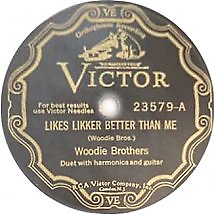
The first, Likes Likker Better than Me, is sung from a wife’s point of view. She is tired of her husband’s drinking. Ephraim sings with a high, clear mountain tenor. Lawton adds deep, rich harmonies.
The second song, Chased Old Satan Through the Door, is full of energy. It blends old folk themes and phrases. You can hear echoes of Satan’s a Liar and Shortenin’ Bread, but the brothers make the song their own.
These two tracks show a rare moment of family harmony. The music is rooted in tradition, but full of fresh spirit.
Like most musicians from the Lost Provinces of North Carolina, the Woodie brothers did not pursue music full-time. They played when they could, but work came first.
Lawton stayed in education. He remained devoted to teaching. Ephraim became a storekeeper.
For both men, music was never about fame. It was something they loved. It was part of life, not a profession.
In the Lost Provinces, music was everywhere. It was part of gatherings, dances, and everyday traditions. It brought people together.
But for those who dreamed of success, staying home was hard. Even small chances at a music career often meant leaving the mountains behind.
Dock Walsh was known as the “Banjo King of the Carolinas.” He recorded often during the late 1920s and early 1930s.
He was born in Wilkes County, North Carolina. His playing followed the North Georgia style—fast, syncopated, and full of flair.
He also loved to experiment. He was one of the first to try backward playing. In this style, he strummed over the frets, then behind the bridge. The result was comic, dramatic, and totally unique.
However, Walsh was not just a novelty act. He had true showmanship. He brought theatre to the mountain stage.
One of his most unforgettable partnerships was with whistler Garley Foster.
Foster, called “The Human Bird,” had a rare gift. He could imitate birdsong with stunning accuracy. His whistles were so lifelike, it was hard to tell if you were hearing a man or a forest.
Together, Walsh and Foster recorded for Columbia Records in the early 1930s. Their songs mixed humour, sadness, and a hint of the surreal.
In many cases, Foster’s whistling replaced the fiddle. He became the lead instrument. This gave their music a strange, otherworldly sound.
Dock Walsh kept performing for many years. He played at medicine shows, fairs, and local events. Even after the record labels lost interest, he never stopped.
His legacy goes beyond tricks and novelty. He showed that the mountain banjo could change. It could surprise. It could even sing in duet with a bird.

These recordings were not made in big-city studios. Instead, they aimed to capture mountain musicians in their own spaces—on their own terms.
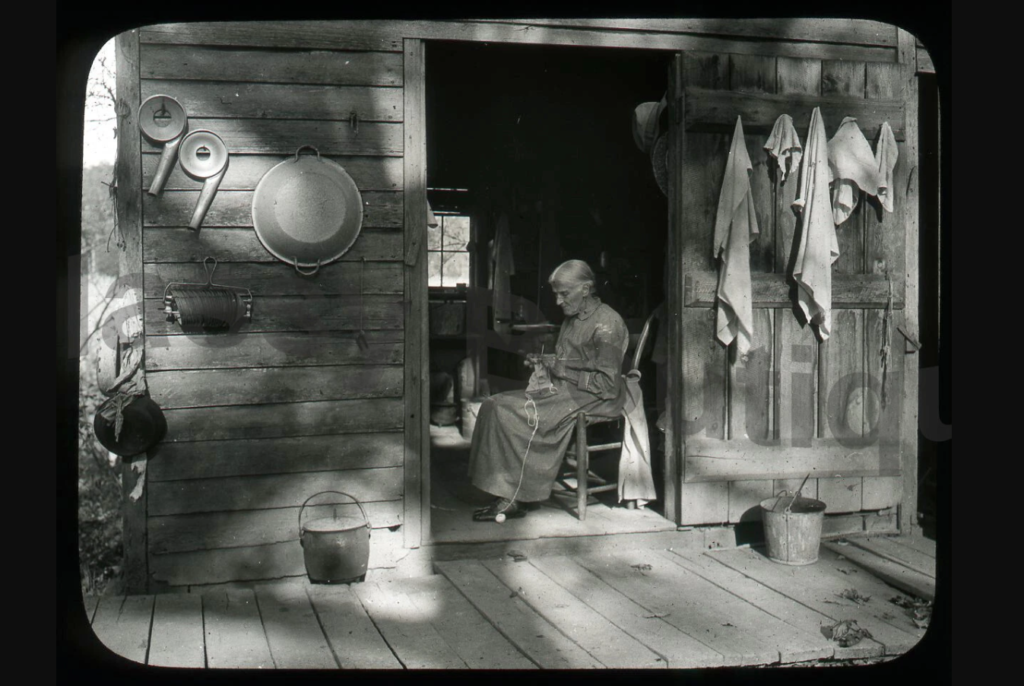
Artists travelled dusty miles just to audition. They came from mills, farms, and hidden hollers. They brought songs shaped by hard lives, deep faith, sharp humour, and strong community ties.
These tracks don’t only echo struggle. They show joy. Defiance. Wit. And wild, fearless invention.
You’ll hear banjo rolls. Bird whistles. Ballads. Breakdowns. Each sound is rooted in real life.
This is music with dirt under its nails. It holds soul in every note.
Roll On, Daddy, Roll On – Old Time String Bands: North Carolina & Tennessee isn’t just an album. It’s a preservation of voices almost lost to time.
And now, at last, they sing again.
👉 Explore all 24 tracks on the album Roll On, Daddy, Roll On – Old Time String Bands: North Carolina & Tennessee – Complete Issued Recordings, 1927–1931 [here].
6. Spider Web Blues - Victoria Spivey
1 × $0.99
20. The Old Account Was Settled - Kentucky Trio
1 × $0.99
13. Hurricane - Red & Miff's Stompers
1 × $0.99
17. Down Hill Pull - Victoria Spivey
1 × $0.99
23. mississippi sawyer (le reel gaspesien) - Kessinger Brothers
1 × $0.99
16. Beautiful Isle Of Summer - The Southernaires
1 × $0.99
21. Jesus, Saviour, Pilot Me - The Southernaires
1 × $0.99
17. You Done Lost Your Good Thing Now! - Part 1 - Victoria Spivey And Lonie Johnson
1 × $0.99
20. Face To Face Blues - Gene Campbell
1 × $0.99
12. I Ain't No Fool (take 1) - Casey Bill Weldon
1 × $0.99
9. Steal Away To Jesus - The Southernaires
1 × $0.99
3. Mean Old Santa Fe - Arthur "Big Boy" Crudup
1 × $0.99
1. Nightmare Blues - Victoria Spivey
1 × $0.99
12. Good News, The Chariot's Coming - Fisk Jubilee Singers
1 × $0.99
2. Mean Old World (take 1 - unissued) - Big Bill Broonzy
1 × $0.99 Subtotal: $14.85