From Mechanical to Digital Slots: How Technology Transformed Modern Gaming
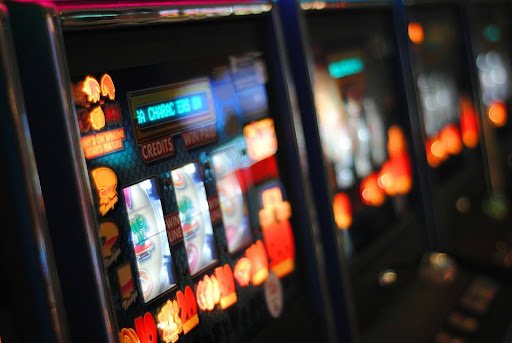
The evolution of slot machines is one of the most fascinating transformations in the entertainment industry. While classic mechanical devices once defined the casino floor, modern digital technology has reshaped how players engage with slots—both online and offline. Before diving into this journey, it is important to acknowledge how broader gaming culture influences user expectations. Even trends such as live betting offer insights into how digital innovation continues redefining the way Scandinavian players interact with games today.
Today’s slot machines combine advanced algorithms, sophisticated graphics, and finely tuned sound design. But this was not always the case. The path from mechanical reels to digital randomness reflects major shifts in technology, psychology, and user behavior.
The Origins of Slot Machines: A Mechanical Beginning
The first slot machines appeared in the late 1800s and were completely mechanical. Charles Fey’s iconic “Liberty Bell” is widely considered the earliest example. It featured three spinning reels, simple symbols, and a spring-and-lever mechanism. When a player pulled the lever, internal gears controlled the rotation and determined where the reels stopped.
These machines were fully dependent on physical engineering. There were no microchips, screens, or digital effects—just metal components working together to create an unpredictable result. Winning combinations had to be manually checked by an operator, who would verify and hand out payouts.
During the mid-20th century, the industry experienced a major shift with the introduction of electromechanical slots. By integrating electrical circuits, engineers were able to increase control over reel motion, automate payouts, and significantly reduce the need for human operators.
The famous lever gradually disappeared, replaced by buttons that made the machines more accessible and dynamic. Lights, electronic sounds, and colorful displays made the gameplay more exciting. For many Danes and Swedes who grew up in this era, these early electromechanical machines were their first exposure to modern entertainment technology.
Digital Transformation: The Algorithmic Revolution
The arrival of computers completely transformed the gambling and gaming sectors. Slot machines shifted from mechanical randomness to algorithmic precision through the use of Random Number Generators (RNGs). These digital algorithms ensure that each spin is unpredictable and fair, creating a gaming experience that feels fresh every time.
RNG technology also enabled developers to introduce an incredible variety of games. No longer limited by physical reels, digital slots can contain dozens of virtual reels, hundreds of symbols, and bonus features that were impossible in older models.
Programming languages such as JavaScript and HTML5, along with game engines like Unity, allow developers to create immersive slot environments quickly and efficiently. Graphic animations, interactive bonus rounds, and responsive interfaces all contribute to more engaging gameplay.
These innovations explain why online slots have gained such popularity across Scandinavia. Players appreciate the convenience of accessing games on mobile devices, the variety of themes, and the enhanced visual quality that digital slots offer.
Online Casinos and the Scandinavian Shift to Digital Play
As the gaming landscape expanded, online casinos emerged as a dominant force. Platforms began offering digital slot machines with themes ranging from mythology to futuristic sci-fi. In countries like Denmark and Sweden, where digital adoption is high, online slots quickly became a preferred entertainment option.
This digital expansion mirrors broader societal trends. Scandinavian users are comfortable with technology, value convenience, and expect secure platforms. Online casinos therefore integrate strong encryption, certified payment systems, and player protection mechanisms.
Midway through the evolution of online entertainment, new technologies such as cryptocurrency payments started attracting interest. Many players now explore information about bitcoin risks and the advantages of decentralized transactions, especially within digital entertainment platforms. This shows how intertwined gaming innovation and financial technology have become in the Nordic region.
The Role of AI, Machine Learning, and Blockchain
Today’s digital slot machines represent only an early stage of what future technology will bring. Innovations such as artificial intelligence and machine learning make it possible to personalize gameplay, predict user preferences, and enhance safety measures.
AI can analyze how long players spend on certain themes, identify which bonus mechanics they enjoy, and adapt recommendations accordingly. Machine learning can also detect problematic behavior early, helping operators support responsible gaming.
Blockchain technology adds another layer of transparency. By storing transaction data securely and immutably, blockchain helps ensure fairness and traceability in online gaming environments. This makes digital slots more trustworthy for Scandinavian users who value clear and ethical standards.
Regulation and the Need for Responsible Development
For the digital gaming industry to function effectively, regulatory systems must evolve alongside technology. Authorities across Europe, including in Denmark and Sweden, place strong emphasis on transparency, fairness, and user protection.
The rise of AI agents—tools capable of analyzing behavior and verifying digital systems—has strengthened regulatory oversight. These systems help validate algorithms, ensure fairness in RNG calculations, and monitor user safety.
Scandinavian gaming markets, known for their strict ethical standards, are often early adopters of such regulatory innovations.
Responsible gaming requires collaboration between developers, regulators, and players. Developers must design fair systems, regulators must enforce clear guidelines, and players must engage responsibly. This balanced approach allows the industry to benefit from technological innovation while maintaining safe entertainment environments.
Looking Ahead: The Future of Slot Machines
Despite the incredible progress seen so far, digital slots remain far from their final form. Developers are already experimenting with mixed reality, skill-based mechanics, and more interactive gameplay that blends storytelling with traditional spinning reels.
Nordic audiences, who appreciate both innovation and simplicity, are likely to embrace these emerging trends quickly. As long as transparency, user safety, and fairness remain priorities, the future of slot machines promises creativity, immersive experiences, and responsible enjoyment.