
An exploration of Pink Floyd's legal feuds, disputes and fallouts.
On this day 12th September 1975.
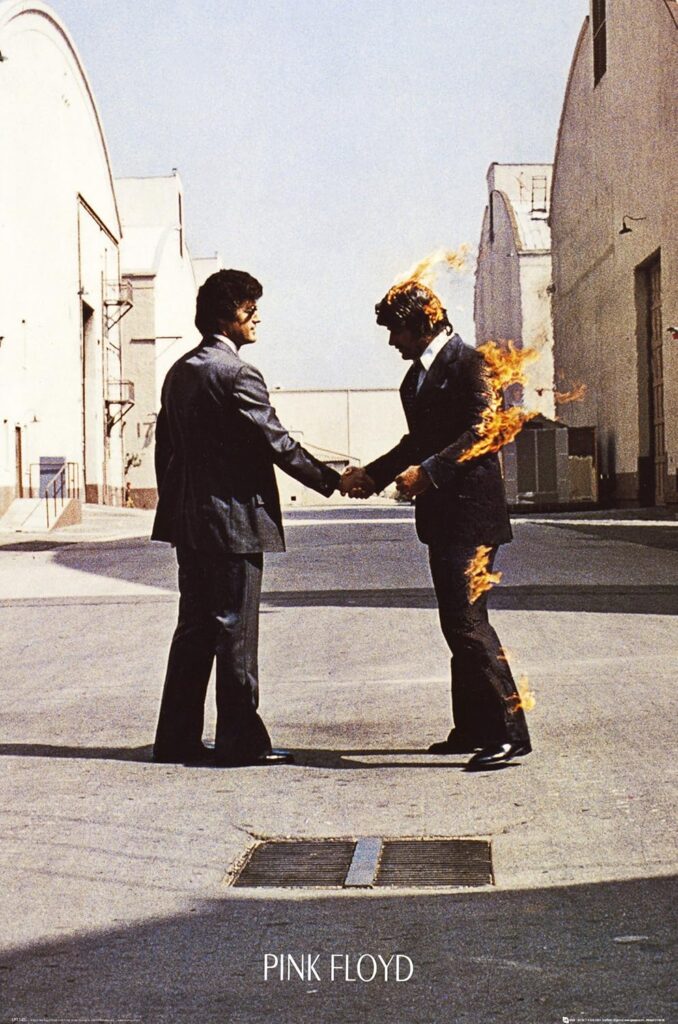
Pink Floyd released their ninth studio album Wish You Were Here in the UK. The album which explores themes of absence, the music business, and former band-mate Syd Barrett’s mental decline peaked at No.1 on both sides of the Atlantic and went on to spend a total of 84 weeks on the charts.
From Sigma 6 to Pink Floyd: The Blues Behind the Name
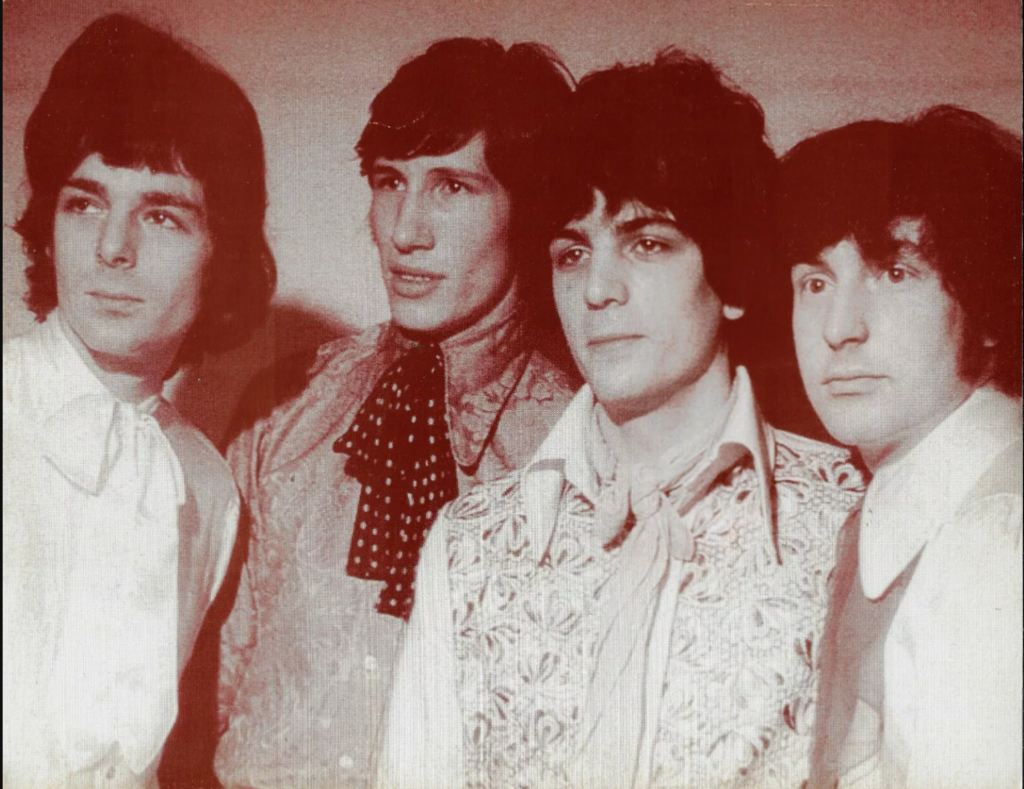
Before Pink Floyd became synonymous with revolutionary soundscapes and some of rock’s most ambitious concepts, they were a band on a journey of evolution and reinvention. Starting out as Sigma 6, a group formed by architecture students Roger Waters, Nick Mason, and Richard Wright, they explored different musical directions under names like the Meggadeaths and The Tea Set. In 1965, Syd Barrett joined the group, bringing with him an eclectic vision. When a gig threatened a clash of names with another band, Barrett improvised a new moniker: Pink Floyd, inspired by his favourite blues artists, Pink Anderson and Floyd Council.
It could be said and probably should be said that their connection with Blues music ends right there but it is a good enough hook to feature their legal travails on the Document Records page.
The legal battles between Roger Waters and the remaining members of Pink Floyd, David Gilmour and Nick Mason, were emblematic of deep creative and personal tensions within the band though as we know people only turn to the laws that cover creativity where they have enough time and money to do so.
1986 Pink Floyd - A Spent Force Creatively?

When Roger Waters left Pink Floyd, his departure quickly escalated into a fierce legal confrontation with David Gilmour. Believing himself to be the band’s main creative force, Waters invoked the ‘Leaving Member’ clause in his contract with EMI and CBS, announcing his exit. He was convinced that Pink Floyd could not continue without him and, in October 1986, initiated legal proceedings in the High Court to formally dissolve the band, declaring it a “spent force creatively.”
Here is an interview with Roger from 1986 but he won’t talk about the band .. an interesting listen none the less.
However, Gilmour and drummer Nick Mason disputed Waters’ claim, arguing that Pink Floyd still had the potential to produce new music. After prolonged negotiations, Waters eventually reached a settlement with his former bandmates in 1987. Although he agreed to step aside, Waters later admitted that his decision was driven by financial pressures, stating, “If I hadn’t, the financial repercussions would have wiped me out completely.“
Why? Because Pink Floyd as an entity still had an album to do, contractually, for CBS. Not issuing that album gave CBS the right to ask for damage compensation and to lower the copyrights on the previous albums.
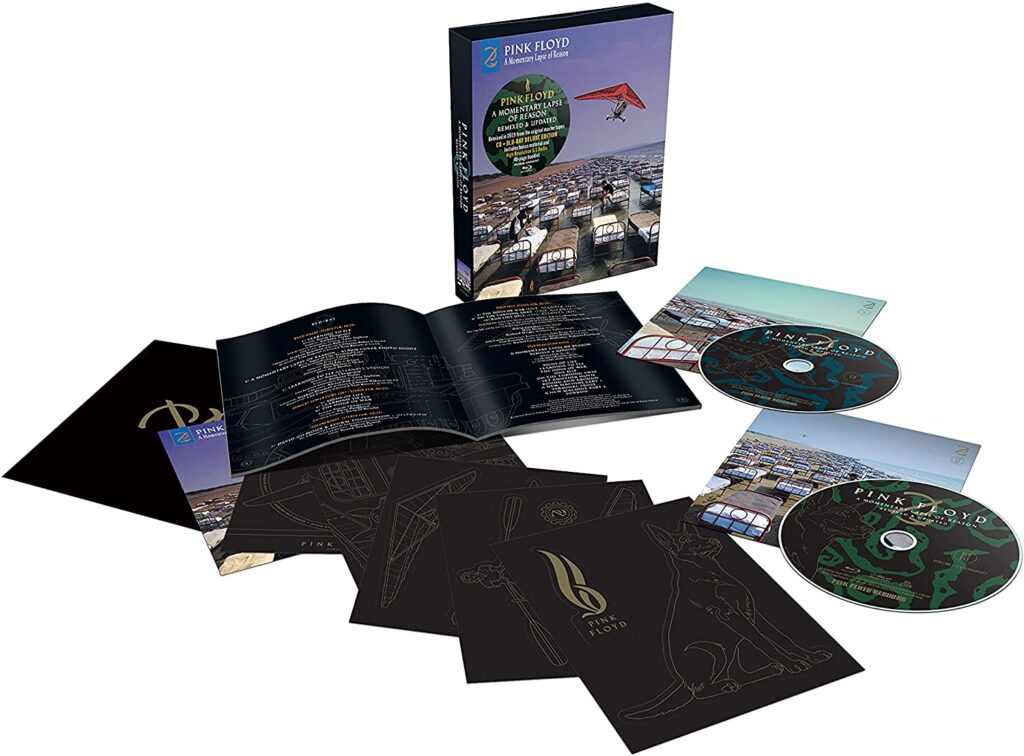
As part of the settlement, Waters ceded the rights to the Pink Floyd name to Gilmour and Mason, while he retained full ownership of the conceptual rights to The Wall and other works. This allowed Gilmour and Mason to move forward and release A Momentary Lapse of Reason in 1987, which became a commercial success despite Waters’ absence.
While the legal dispute was resolved, the personal animosity between Waters and Gilmour continued, resurfacing in various public spats over the years. For example, in 2021, Waters and Gilmour clashed over the re-release of the Animals album due to disagreements about liner notes.
1. Animals Reissue Dispute (2021)

In 2021, one of the more recent clashes involved the re-release of Pink Floyd’s 1977 album Animals. Waters wanted to include liner notes detailing the band’s history, but Gilmour opposed their inclusion. The issue arose because Waters’ narrative, in the liner notes written by journalist Mark Blake, placed significant emphasis on his role in the band’s creative direction, particularly on Animals. Gilmour, however, believed that the notes unfairly skewed the contributions made by the other band members and refused to approve their inclusion. This led to a significant delay in the reissue. Ultimately, Waters agreed to allow the reissue to proceed without the notes, publishing the disputed liner notes on his own website instead.
Thus, Pink Floyd’s Animals album was reissued on September 16, 2022, with a 2018 remix and updated artwork followed by a Deluxe gatefold package: Released on October 7, 2022, this package includes the vinyl, CD, Blu-ray, and DVD copies of the remix, plus a 32-page book.
2. The Feud Over Pink Floyd’s Social Media (2020)
Another public disagreement between Waters and Gilmour occurred in 2020 when Waters accused Gilmour of barring him from accessing Pink Floyd’s official website and social media accounts. In a video posted on Waters’ Twitter account, he expressed frustration that Gilmour, whom he accused of trying to act as the sole face of Pink Floyd, prevented him from having a presence on the band’s digital platforms. Waters felt this exclusion was unfair since he had been a foundational member and contributed to the band’s early success.
Pink Floyd on Facebook
3. Royalties and Credits
Waters and Gilmour’s feud also extended into disagreements over songwriting credits and royalties. Gilmour took issue with Waters’ dominance in the band’s latter years, particularly in The Final Cut (1983), which was almost entirely Waters’ vision. Waters, in turn, felt Gilmour minimized his contributions post-departure, especially with albums like A Momentary Lapse of Reason (1987), which Waters dismissively referred to as “a pretty fair forgery”.
These disputes reflect a larger struggle over the legacy of Pink Floyd—who gets credit for the band’s success, and who has the right to define the band’s artistic identity. Despite multiple legal resolutions, the tension between the two creative powerhouses has persisted.
Later this year we will be having a further look at Pink Floyd’s relationship with EMI and the court case where PF claimed that EMI were not permitted to “unbundle” tracks from Pink Floyd’s albums and sell them separately.
Authored by:
Gillian Atkinson from Document Records
Graphics by:
Gabriela Teodora Vâlceanu
Category: Media Law,Music History
Tags: