

Memphis Minnie Vol. 3: Complete Recorded Works (1937)
Price range: $0.99 through $19.00
Enjoy instant access to digital downloads for all albums. Our digitized collection offers MP3s, with FLACs in progress.
Note: Not all downloads include booklet notes. CDs where available include extensive booklet notes.
Memphis Minnie’s ‘band period’, discussed in the notes to BDCD-6009, continued through 1937 though with some changes in emphasis. Seven months elapsed after the session of November 1936 before she returned to the Vocalion studios. A trumpeter was again on hand playing in a fiery style. Certainly, some listeners will feel that this rough, blues style is appropriate to the task of accompanying Memphis Minnie. The pianist on the June 1937 sessions plays a much less prominent role than Black Bob had played during 1936. Whoever was involved, the result is that Minnie herself dominates these sessions, aggressive both instrumentally and vocally. “You can’t take my money, man, and rule me too!”, she cries, “I done got tired of your 3-6-9” an allusion to the number combination for excrement (i.e. shit) in the lore of the policy game.
A further six-month gap intruded before Minnie returned to the studios in December 1937. This session was unusual in that four of its six titles were not issued at the time. The set up is unusual too in featuring the New Orleans clarinettist Arnett Nelson.
Nelson had left New Orleans comparatively early, moving to Chicago around 1916. Trumpeter Lee Collins’s recollection was that, “He was a great clarinet player but had a weird style – real vaudeville clarinet… Arnett’s biggest trouble was that he liked to do tricks with his clarinet…” He was a member of Jimmy Wade’s band in the 1920s and recorded with them. In the 1930s in Chicago, he took part in many sessions with blues bands. Nelson was capable of inspired playing in the most lyrical New Orleans style, as can be heard on Running And Dodging Blues for example. He was also, as Collins implies, given to the crassest vulgarity in the most inappropriate contexts, as some of his obbligato interventions in Walking And Crying The Blues witness. The unissued titles show him to much better effect. Nelson amply justifies Hugues Panassié’s judgement that he “played the blues on an instrument with a purity comparable to that of the most authentic blues singers,”. It would be interesting to know why these titles were rejected. Minnie herself is in commanding form and the pianist provides support wholly appropriate to his surroundings.
 21. New Dupree Blues - Georgia White
 11. You're Gonna Need My Help Someday - Elinor Boyer
 2. You're Always Messin' Round With My Man (Blue Flame) - Lizzie Miles
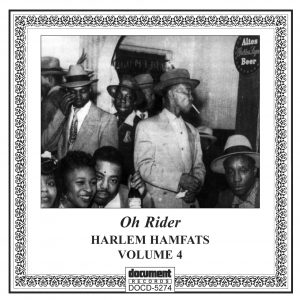 9. What Was You Doing? - Harlem Hamfats
 22. Come And Go With Me to My Father's House - Rev Edward W. Clayborn (The Guitar Evangelist)
 Field Recordings - Various Artists Vol 14 Texas, Alabama, Tennessee, Georgia, Kentucky (1934-c.1950). MP3 album.
 2. Stir It Now - Chatman Brothers
 11. Joining Church - Rev. Nathan Smith
 16. Picture No Artist Can Paint - Leake County Revelers
 8. Whistlebee - Dr. D.D. Hollis
 29. Bonnie Blue Waltz - Cuje Bertram
 1. Muscle Shoals Blues - Lizzie Miles
 7. O Mary, Don't You Weep, Don't You Mourn - Virginia Female Jubilee Singers
 11. Stoney Lonesome - Leroy's Buddy (Bill Gaither)
 21. All The Friends I Got Is Gone - Blind Jesse Harris
 16. Chicago State Street Blues - Ike Smith And His Chicago Boys
 6. Mistreated Mama Blues - Sara Martin
 6. Look What You Got (take 1) - Memphis Minnie